CHURCH OF SAINT CLEMENT
Church of Saint Clement
Ul. Zamkowa 7
32-020 Wieliczka
Poland
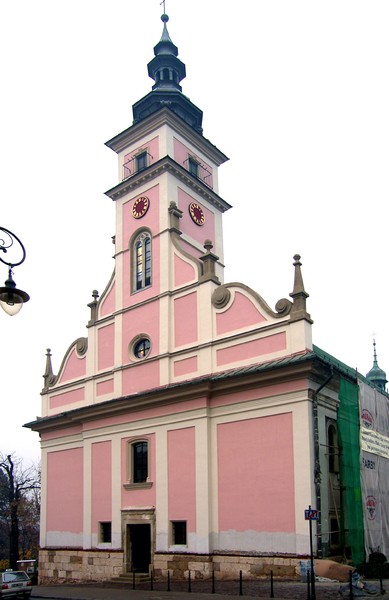
The church is the parish for the town, which has emerged as a seat of the important salt mine, still operating since the 13th century. The structure was built between 1333 and 1370, and side chapels were added later. In 1786, the church was damaged by ground instability caused by mining activities and demolished. The new church was constructed between 1804 and 1806 following typical Austrian architectural design (Musetplan). The foundations of the medieval presbytery were reused, and the preserved Morsztyn chapel remained attached to it. The facade was rebuilt in Renaissance Revival style between 1881 and 1885 (Fig. 1).
Morsztyn Family Chapel


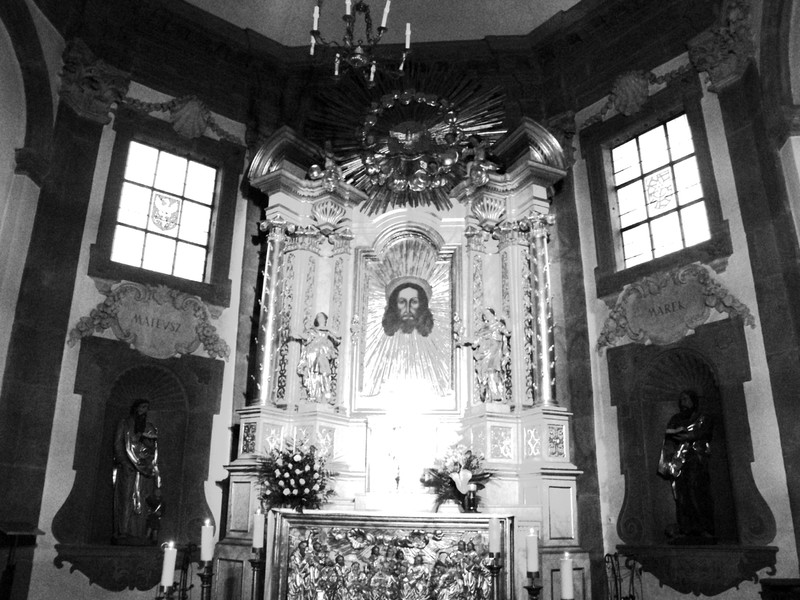
The chapel was built in 1690 according to the design of a Jesuit architect (Fig. 2), possibly Jan Delamars (1656-1719). In 1693 Barbara, widow of Władysław Morsztyn (ca 1630-1689), made an agreement with Baldassarre Fontana and Pakosz Trebeller1 for the decoration of the walls, dome, and lantern. The artists were instructed to leave four spaces for paintings while filling the remaining surfaces with elaborate stuccowork.
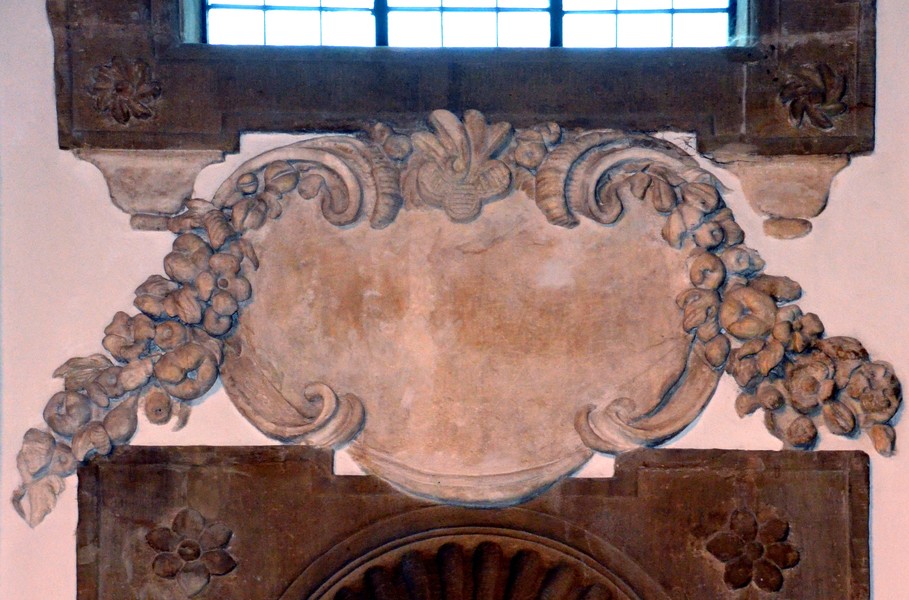
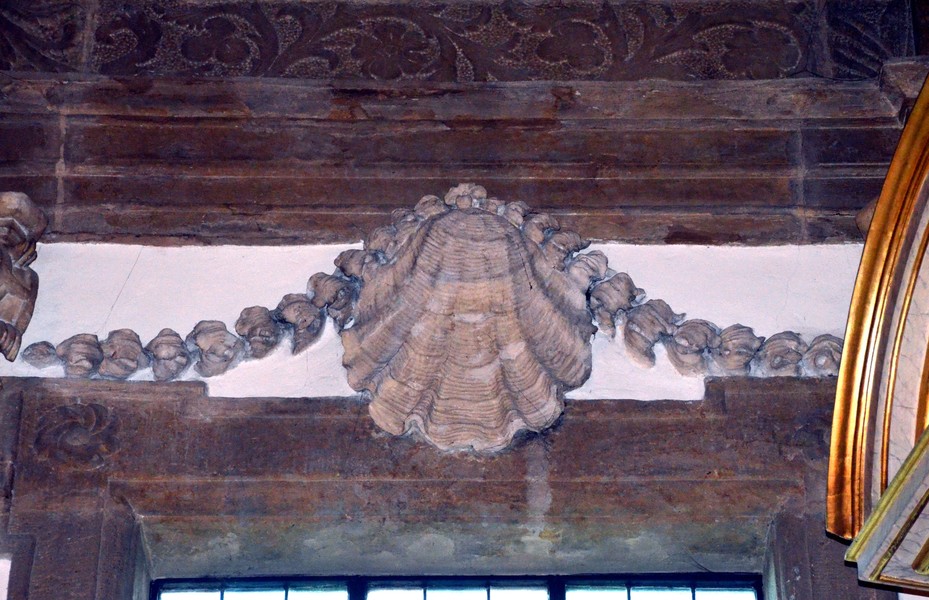
Unfortunately, the dome has not survived, likely destroyed by a mine-induced earthquake in 1786 and its appearance is unknown. The elements of stuccowork preserved on the walls are cartouches with floral garlands and decorated shells (Fig. 3, 4), are generally attributed to Fontana2. In 1989, the chapel underwent significant restoration, during which the crypt’s vault was reconstructed and some stone decorations were restored.