SAINT WENCESLAS CATHEDRAL
Saint Wenceslas Cathedral
Václavské nám.
779 00 Olomouc 9
Czech Republic
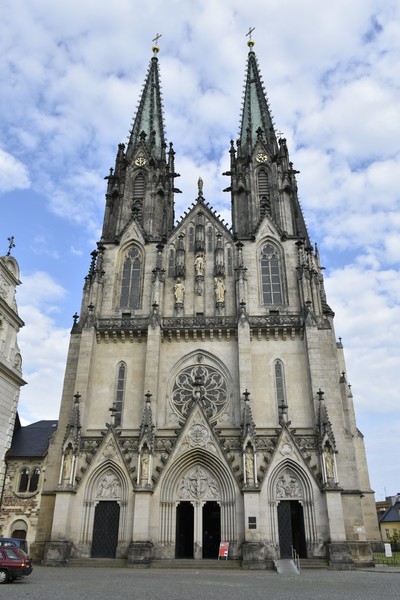
The construction of St. Wenceslas Cathedral in Olomouc began in the 12th century with a three-aisled basilica, consecrated in 11311. After a fire in 1265, the church was rebuilt as an Hallenkirche with an enlarged presbytery. In 1480, a sacristy was added, and in 1590, the St. Stanislaus Chapel was constructed. Between 1616 and 1618, the presbytery was renovated, and in 1662, the Marian altar was moved to the Loreto Chapel, which was decorated with stucco sculptures in the early 18th century. The cathedral's current appearance results from a neo-Gothic reconstruction begun in 1883, directed by Gustav Meretta (1832-1888) (Fig. 1).
Loreto Chapel


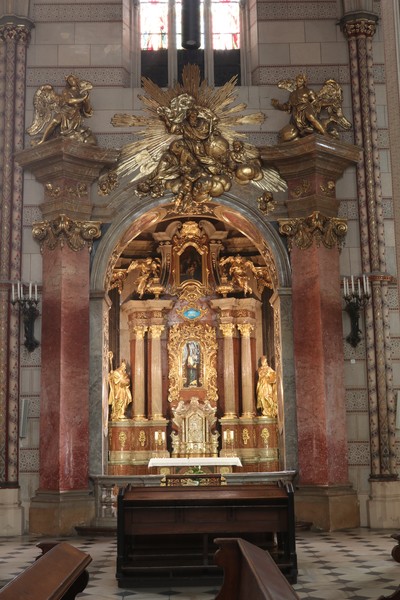
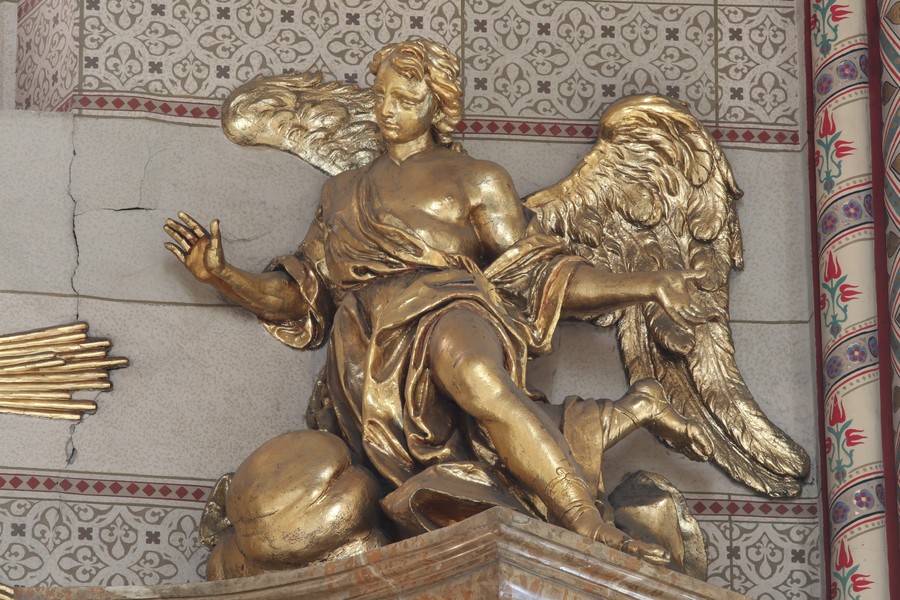
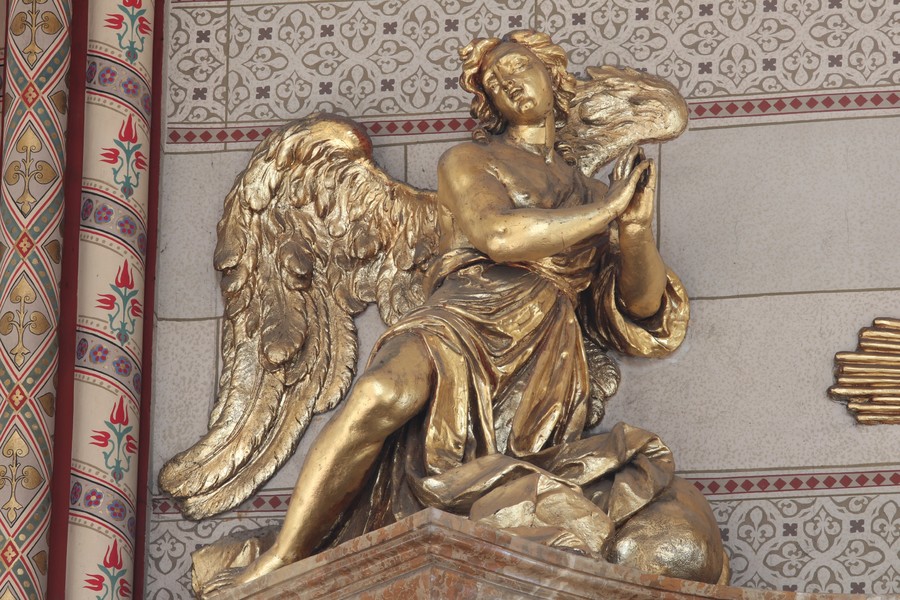
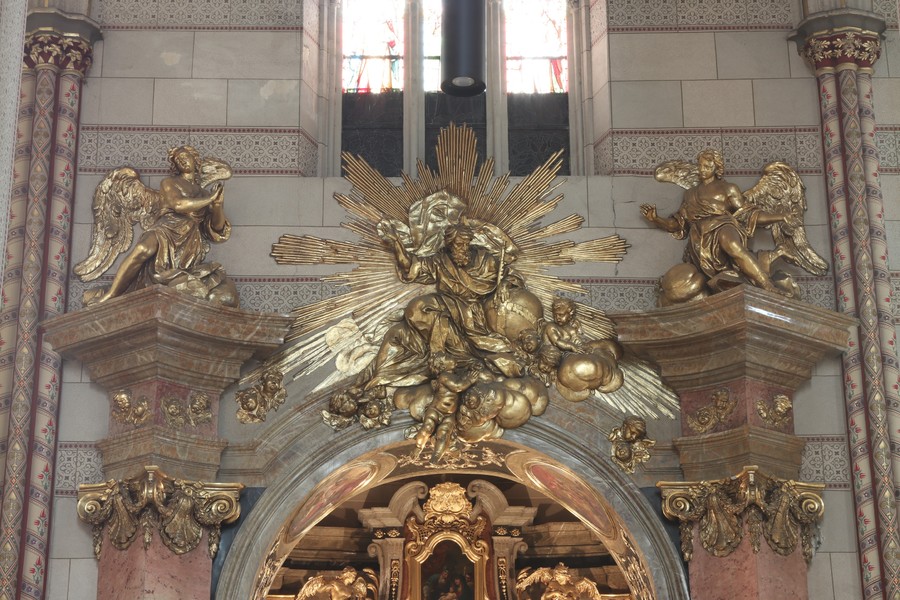
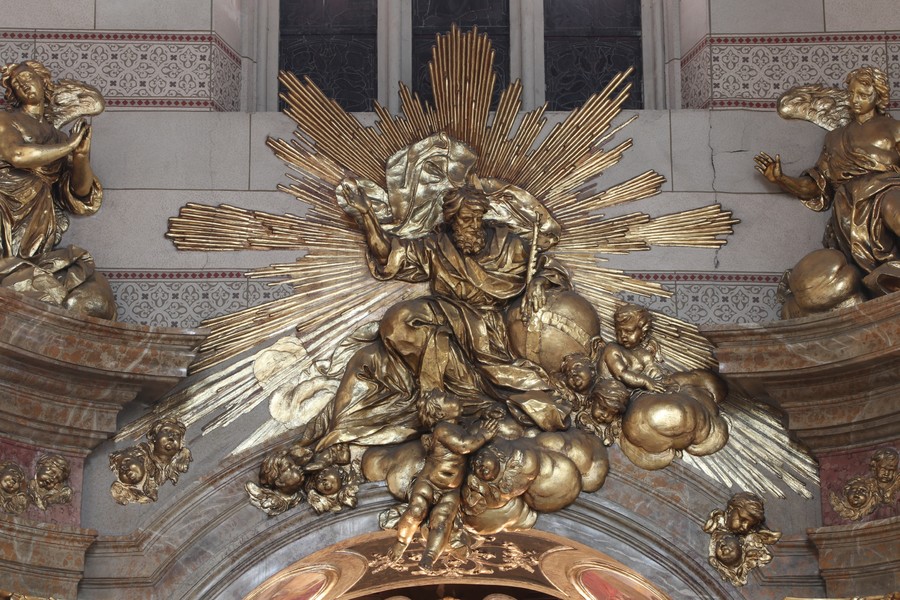
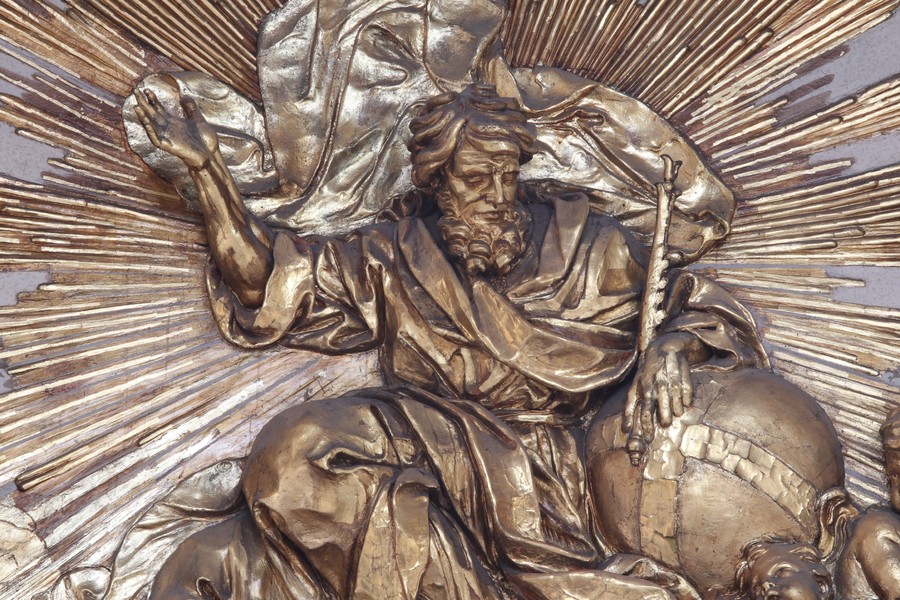
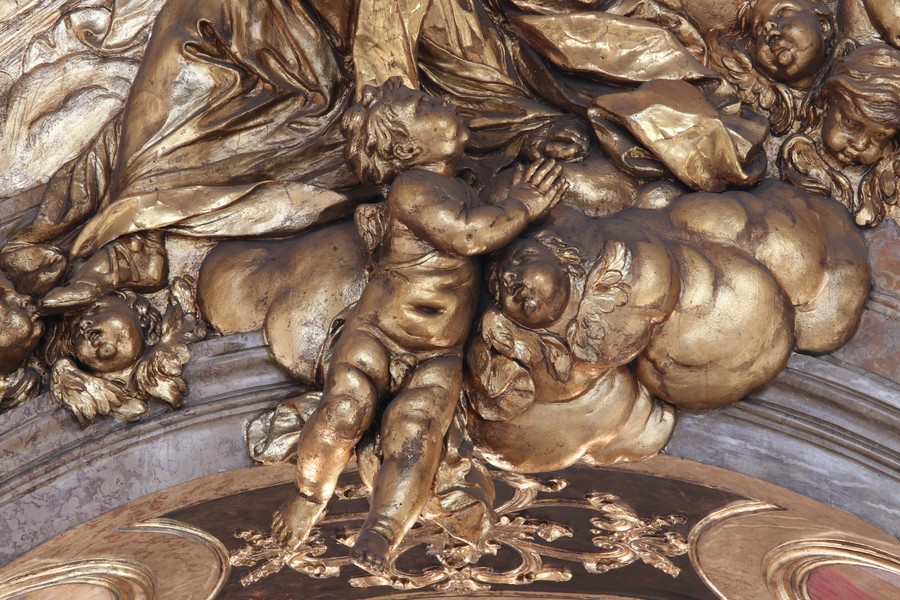
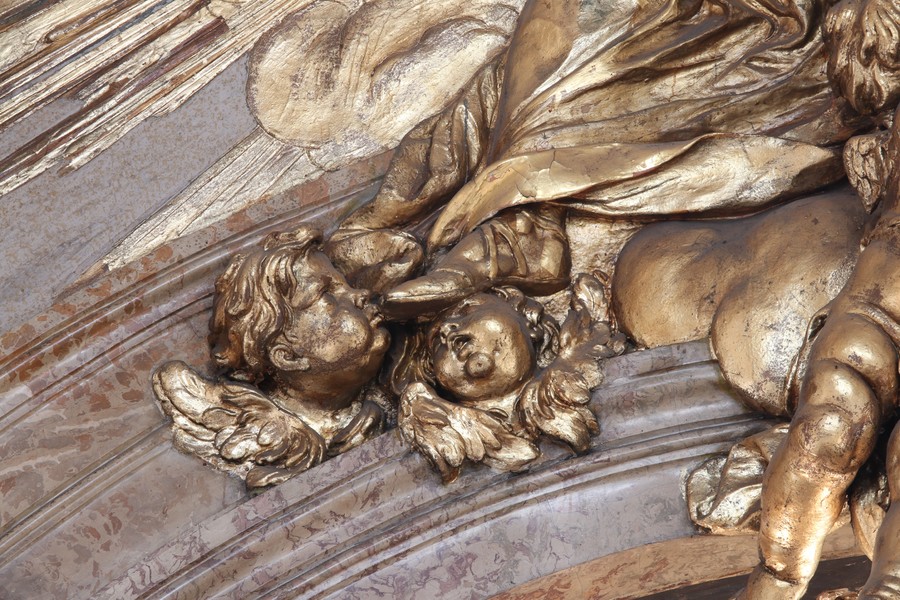
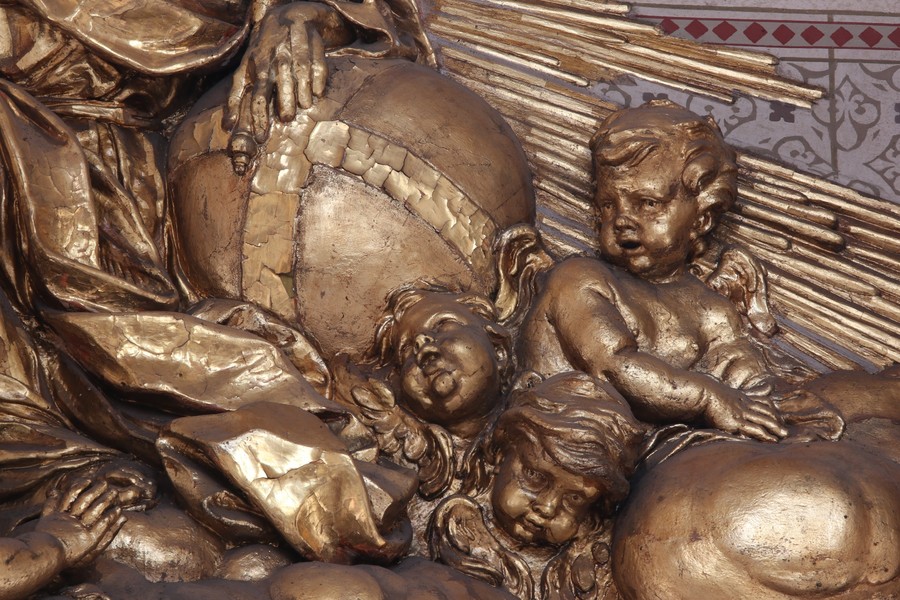
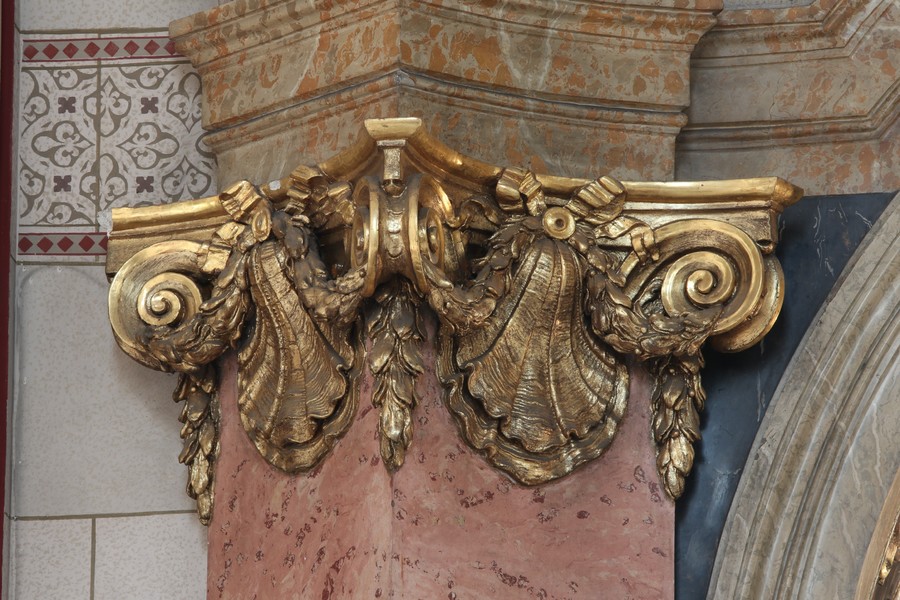
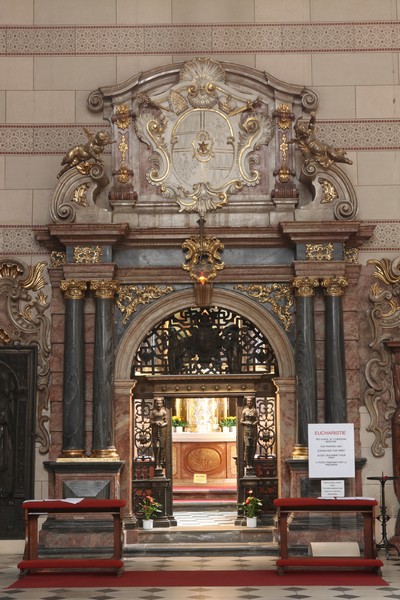
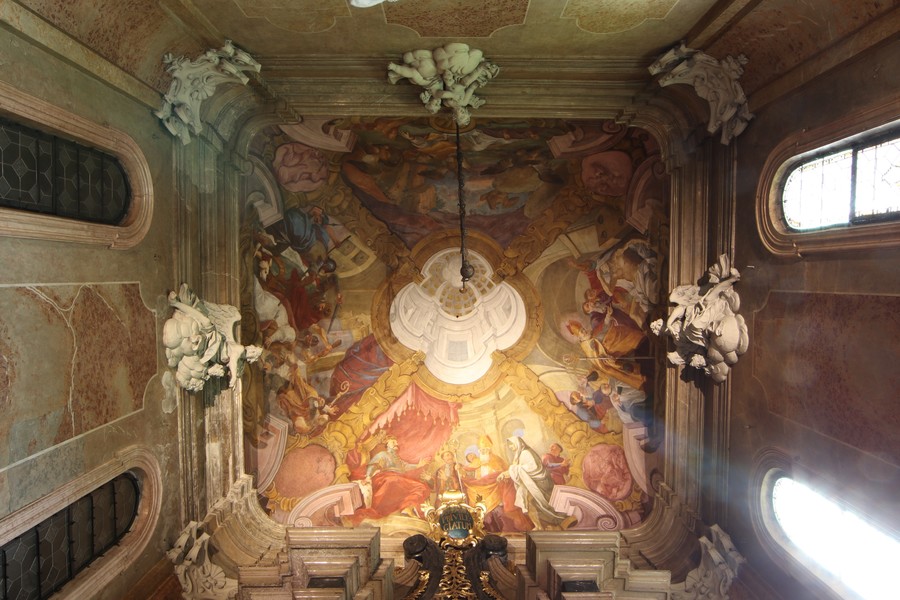
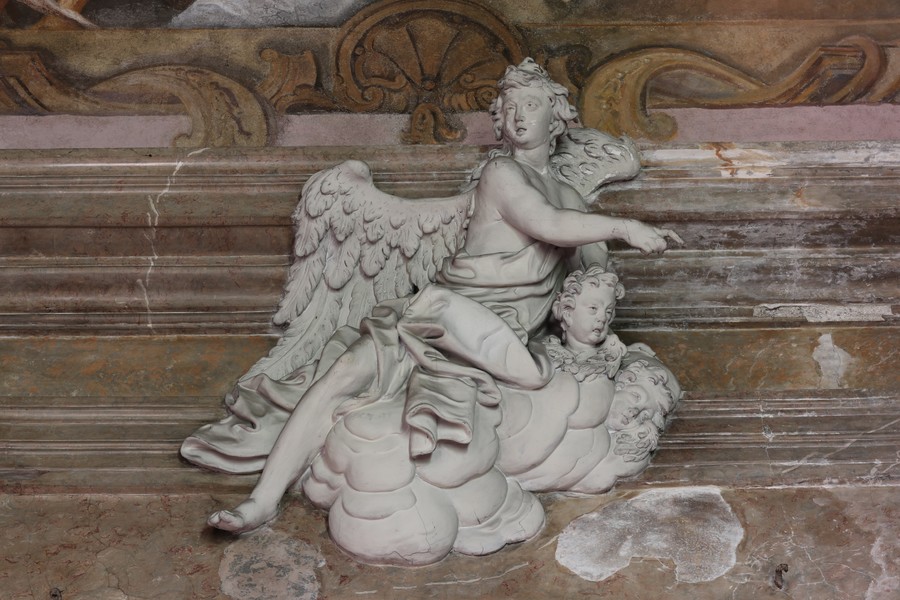
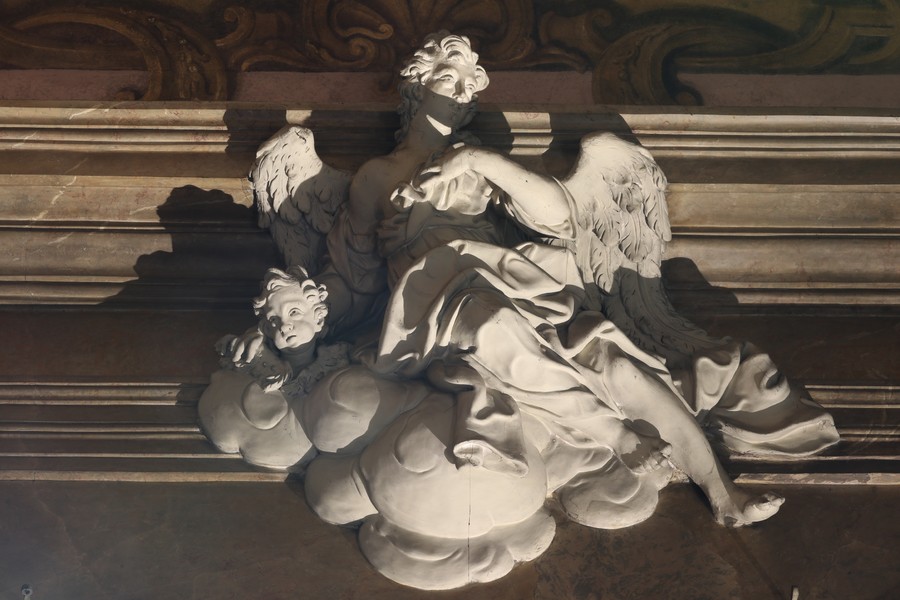
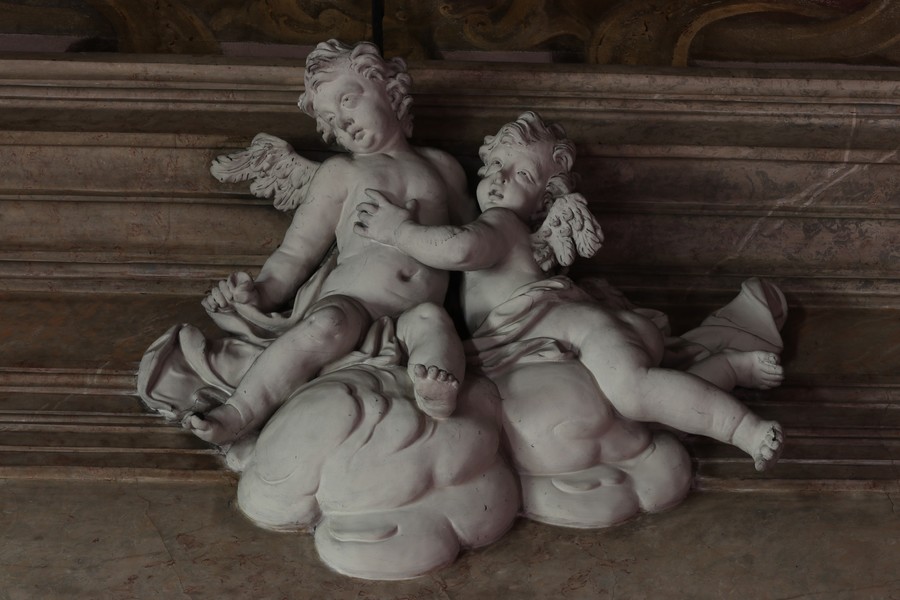
The stucco sculptures attributed to Baldassarre Fontana decorate the portal connecting the south nave of St. Wenceslas Cathedral to the Loreto Chapel (Fig. 2). The decoration, characterised by a golden polychrome, focuses on the portal's niche, with two diagonal pilasters supporting an architrave with moulded frames. Two kneeling angels, sculpted with great finesse, decorate the frame (Fig. 3, 4). At the centre of the triumphal arch above the chapel entrance, the figure of God the Father stands out, surrounded by putti and rays of light (Fig. 5, 6, 7, 8, 9, 10). The Ionic capitals and friezes are executed with great precision, recalling other works by Fontana2 (Fig. 11).
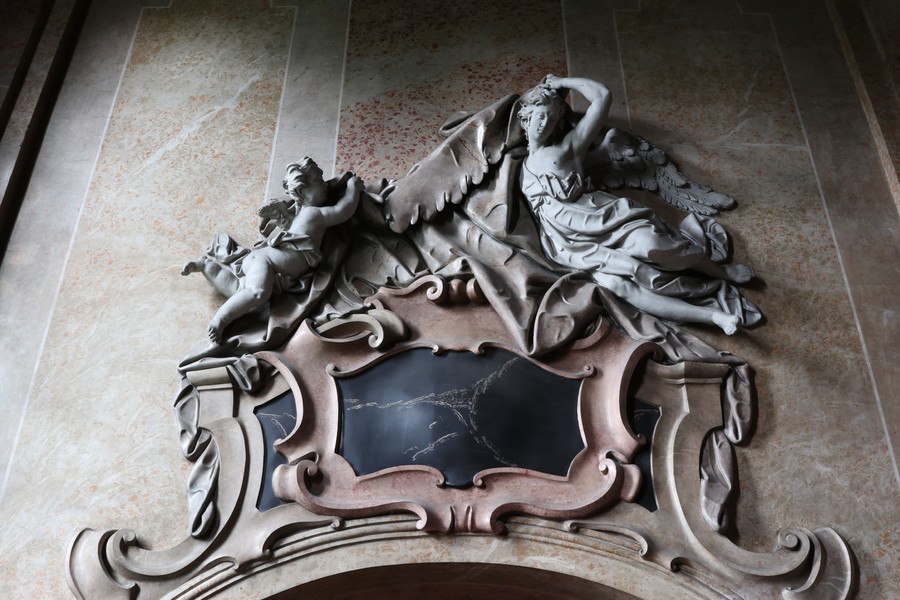
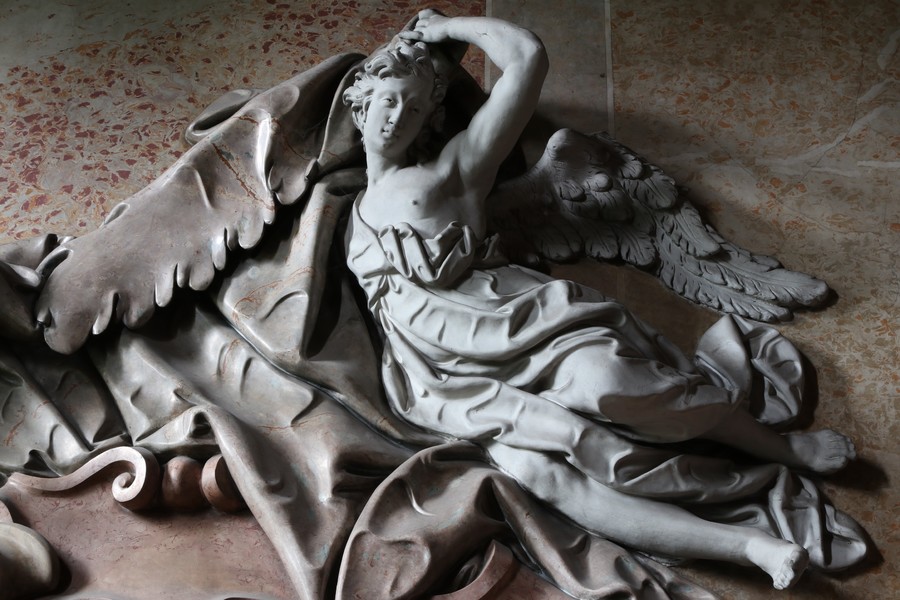
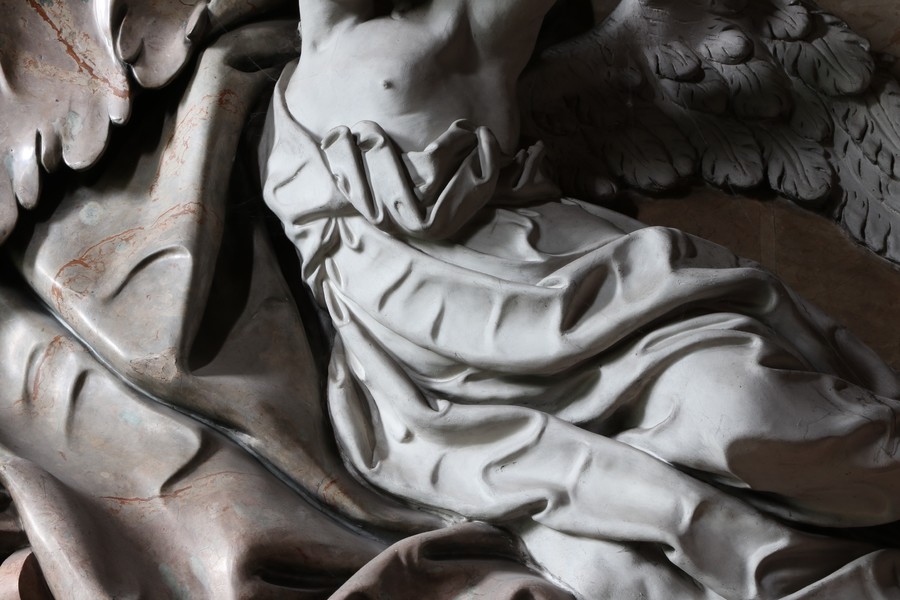
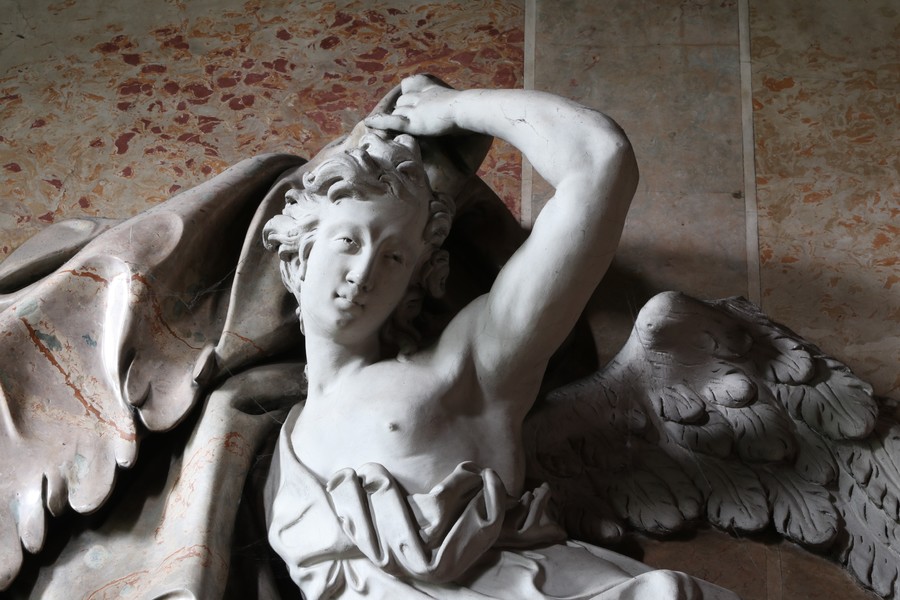
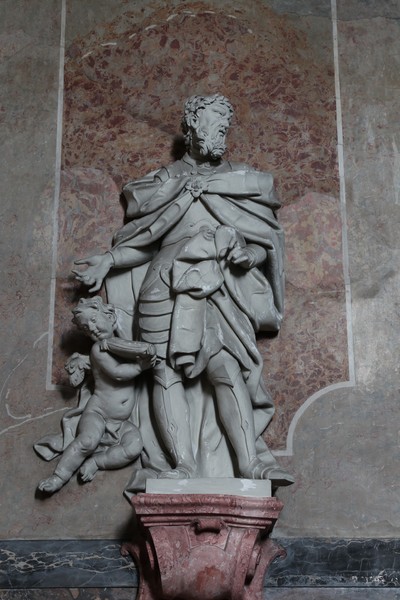
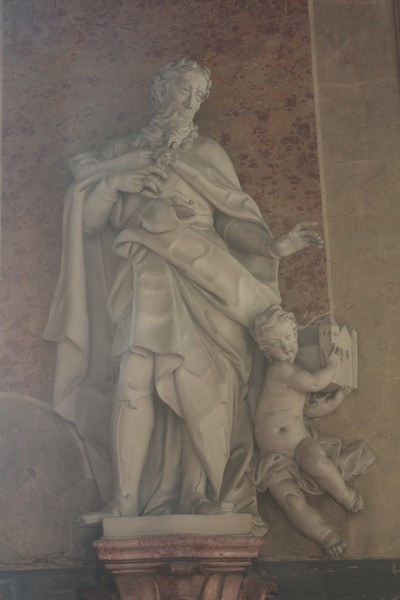
Another stucco decoration, created in a style similar to Fontana’s, can be found in the nearby St. Stanislaus Chapel (Fig. 12). This one is attributed to Filip Sattler, as it displays distinctive stylistic features in the angelic sculptures (Fig. 13, 14, 15, 16, 17, 18, 19, 20, 21, 22).