UHERČICE CASTLE
Uherčice Castle
Státní zámek Uherčice
671 07 Uherčice u Znojma
Czech Republic
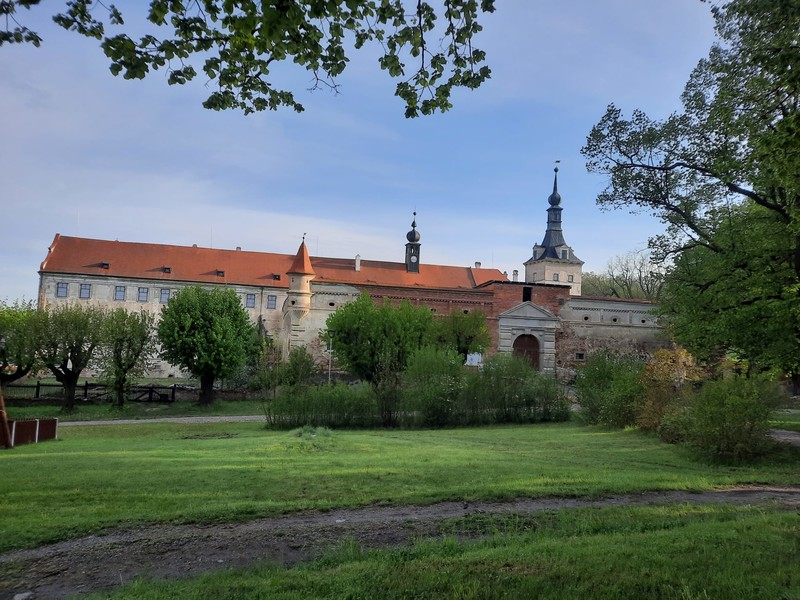
The first evidence of the fortress dates back to 1548, when Jan Krajíř acquired the castle1. Between 1554 and 1564, significant modifications were made, such as the construction of a portico with Tuscan columns and new wings. In 1564, the manor passed to the Strein von Schwarzenau family who further expanded the structure with two parallel wings between 1582 and 1586, completing the castle. After the Battle of White Mountain, in 1628, the castle was handed over to the Berchtold family and, in 1692, to the Heissler von Heitersheim family, who commissioned decorative works to Francesco Martinelli (1651-1708) and Baldassarre Fontana. In 1731, the castle passed to the von Hartig barons and later to the Nimptsch family. In the 1960s, the Collalto family transformed the surrounding area into a French-style park. After World War II, the castle was confiscated, and in 1995, the National Heritage Institute in Brno took over its management (Fig. 1).
Since 1995, the castle had several restoration interventions, with the most recent major campaign starting in 2015 and still ongoing, during which many of the stucco-decorated rooms by Baldassarre Fontana have been restored.
Chapel (114)


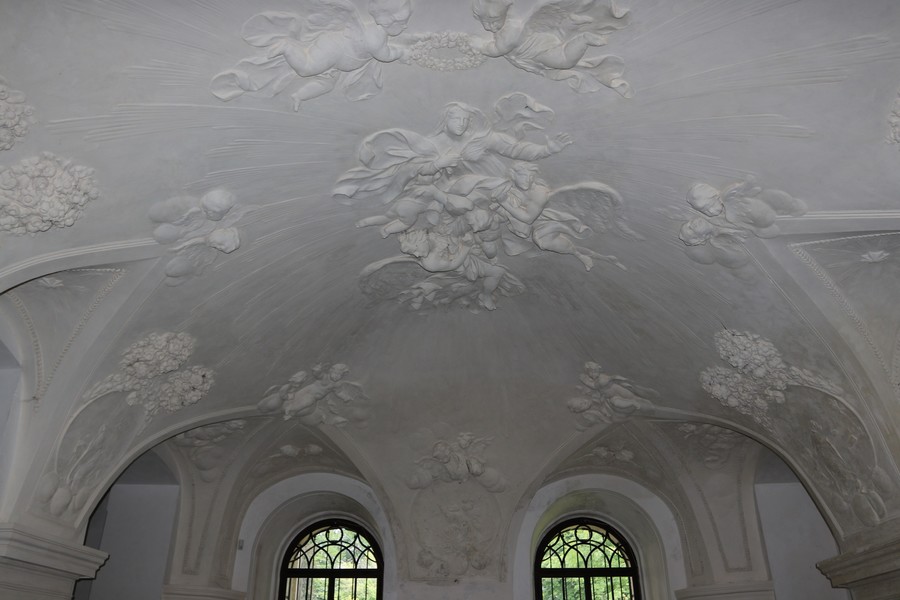
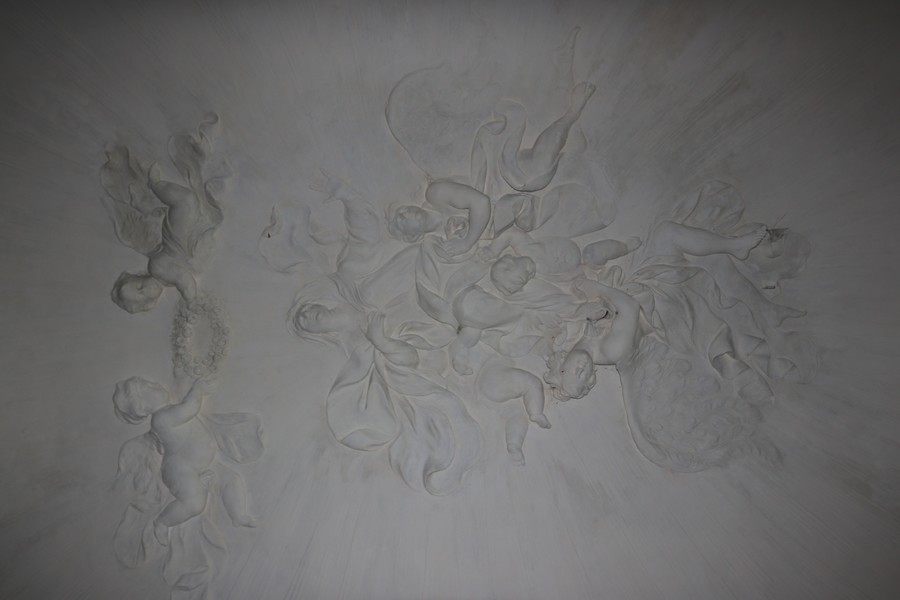
The vault of the chapel is richly decorated in stucco (Fig. 2). At the centre, the Assumption of the Virgin is surrounded by angels and rays of sunlight, with two putti placing a floral crown on her head (Fig. 3). Pairs of putti observe the scene from the top of the clouds.
The walls between the vault host six bas-relief medallions depicting the Church Fathers facing the altar, enriched by three-dimensional floral bouquets and winged heads. The pilasters display motifs related to the depicted saints.
Each lunette contains a cherub, while pairs of Cupids appear near the entrance and the altar.
Vaulted room (210)


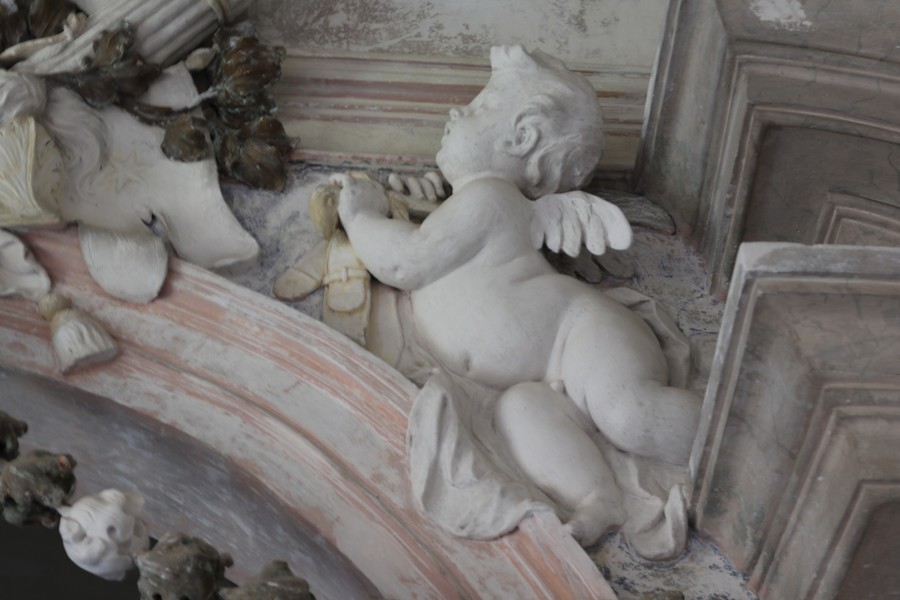
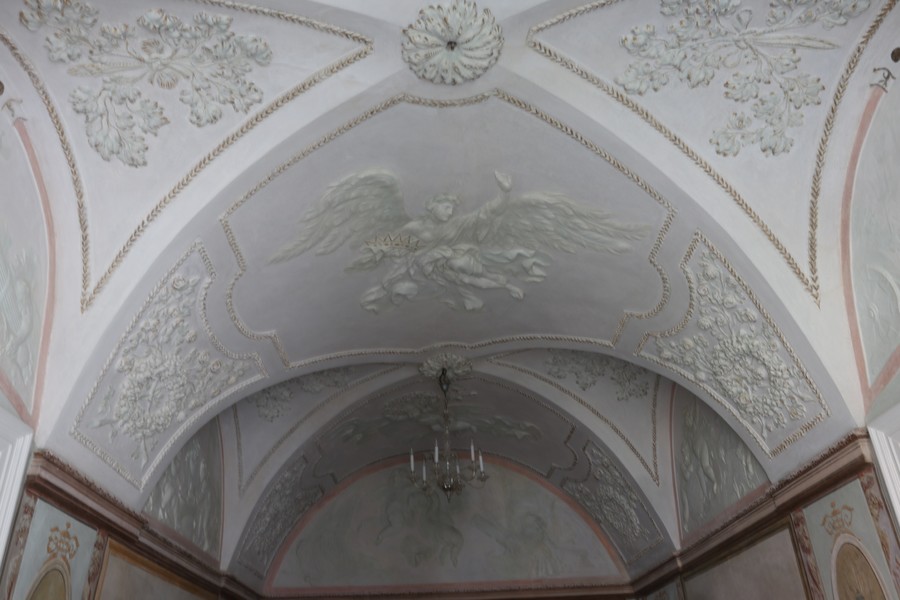
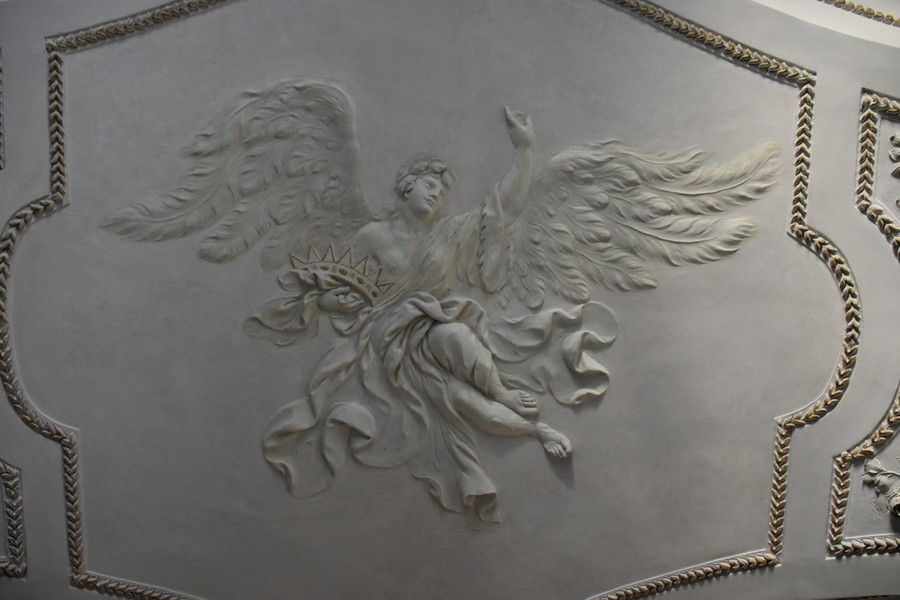
The vault of the room is decorated with three panels framed by laurel leaves: at the centre, an angel in flight with a crown, to the east, a putto on drapery with a floral crown, and above the window, the same motif (Fig. 4, 5). Two side panels feature vegetal motifs, and flowers tied with ribbons appear at the corners.
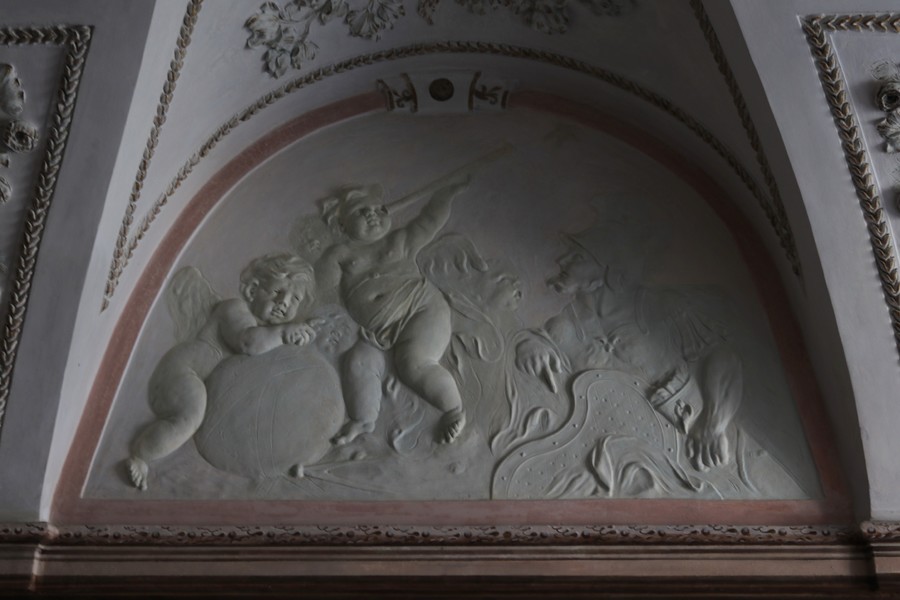
The lunettes depict scenes with putti: in front of the window, they play with a shield among weapons, above the window, a scroll with garlands. Other lunettes show putti fighting with a trident, with a telescope next to an armillary sphere (Fig. 6), forging a helmet, or releasing a dove in front of a soldier. The decoration also includes a drum, cannon, and arrows.
Eastern room (212)


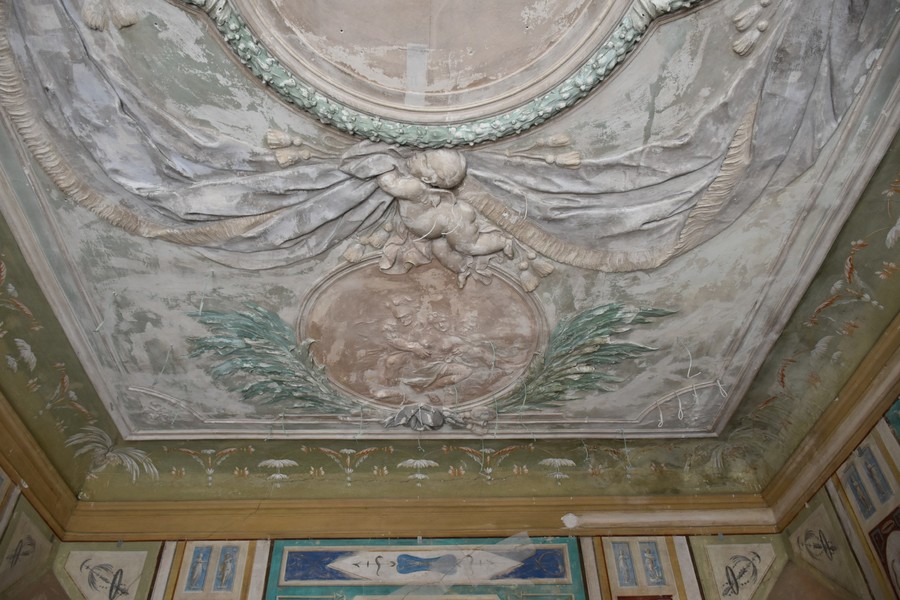
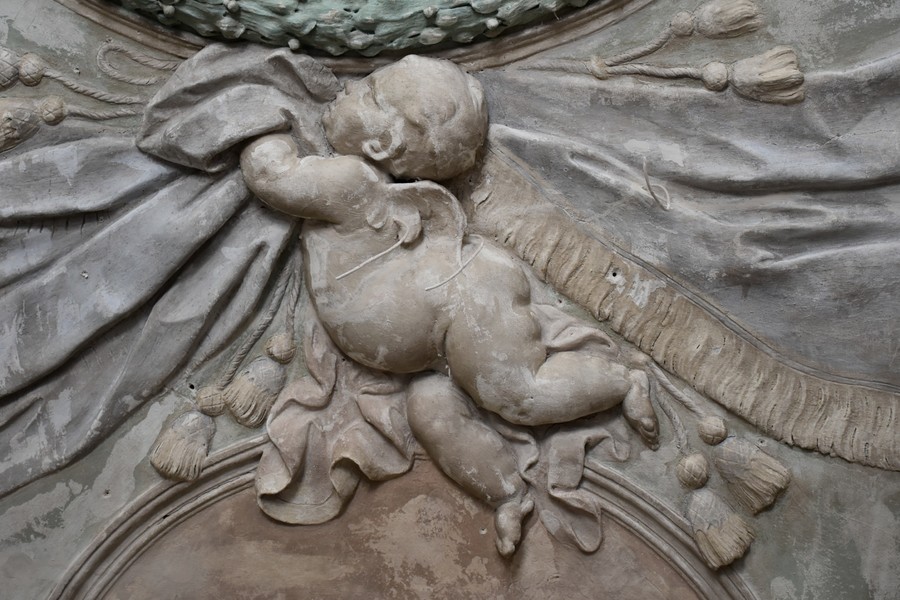
The Eastern room (212) features a polychrome stucco decoration exclusively on the ceiling (Fig. 7, 8). At the centre of the composition is a quatrefoil-shaped frame with laurel leaves. The central medal is surrounded by heavy drapery, lifted along the longer axes by two putti in high relief. On the shorter axes (north and south sides), the drapery is overlaid on two large shells. Just below the figures of the putti, medallions surrounded by palm leaves depict scenes of women and Roman warriors (Fig. 9).

Tapestry room (214)


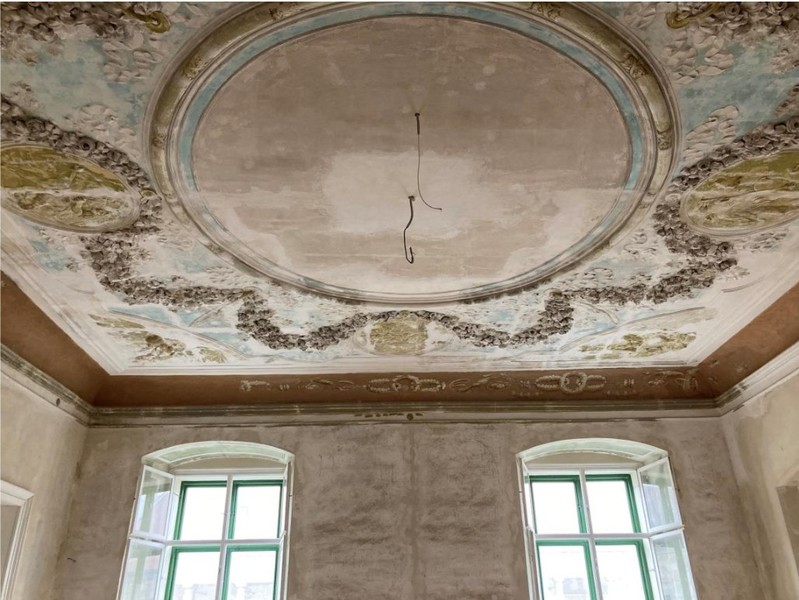
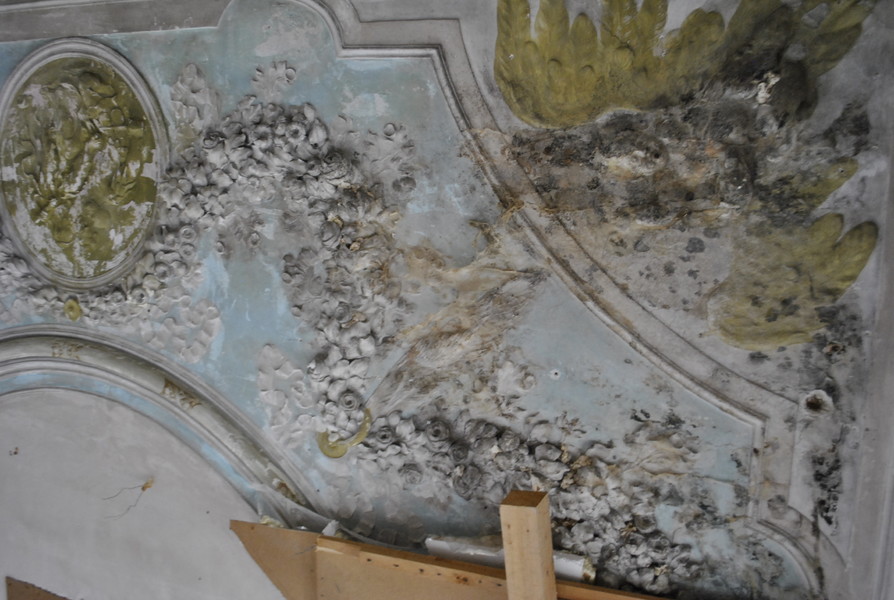
The Tapestry room (214) features a polychrome stucco decoration concentrated on the ceiling (Fig. 10, 11). The central part of the ceiling is occupied by a stucco frame, rounded by a flowing garland and ribbons. Along the axes of the ceiling, circular medallions depicting battle scenes between warriors are placed. At the corners, motifs with putti and mythological figures alternate. Among them are two eagles carrying putti, putti with Neptune, and a river god. The most three-dimensional element in this room is the garland, while the other decorations are in low relief.
Angels Corridor (215)


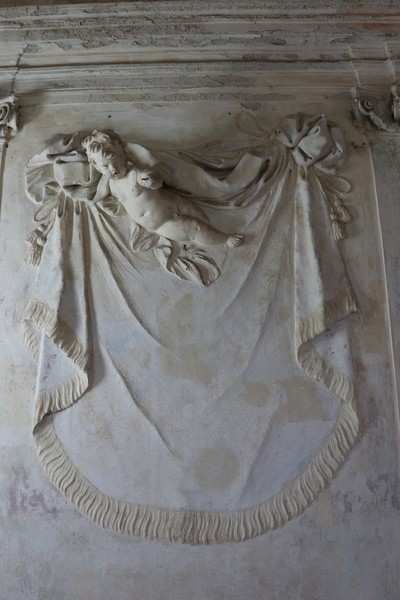
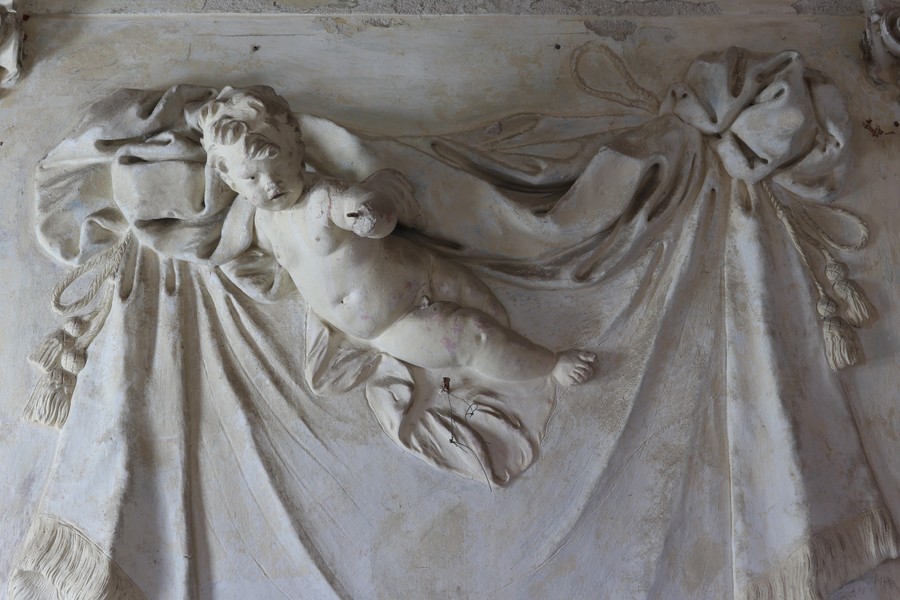
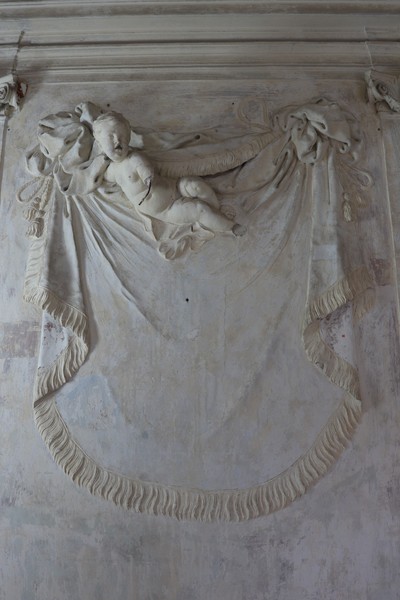
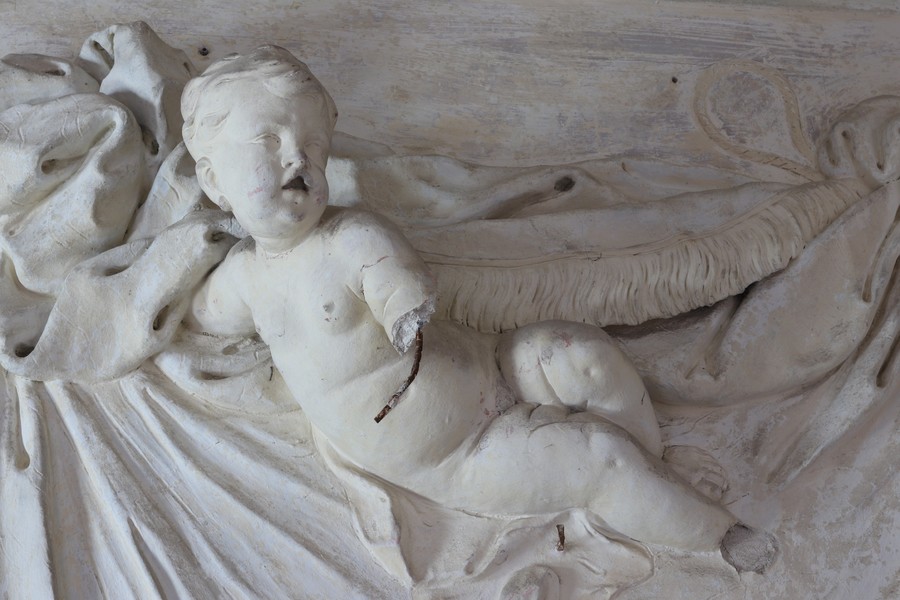
The Angels Corridor (215) is decorated with stucco covering both the ceiling and walls (Fig. 12). The ceiling is divided into bays, separated by arches of floral garlands, and the windows are framed by stucco pilasters with Ionic capitals, decorated with cherubs and garlands. Between the windows, draperies supported by putti in high relief enhance the walls (Fig. 13, 14, 15, 16). Each section of the ceiling features a female figure surrounded by Amorini and floral garlands, with medallions depicting cardinal virtues and military symbols (Fig. 17). The themes seem to represent the hours of the day, from morning to night. On the doors of the north side, there are damaged medallions and a carved shell with festoons.

Heissler's Study or Knights’ room (232)


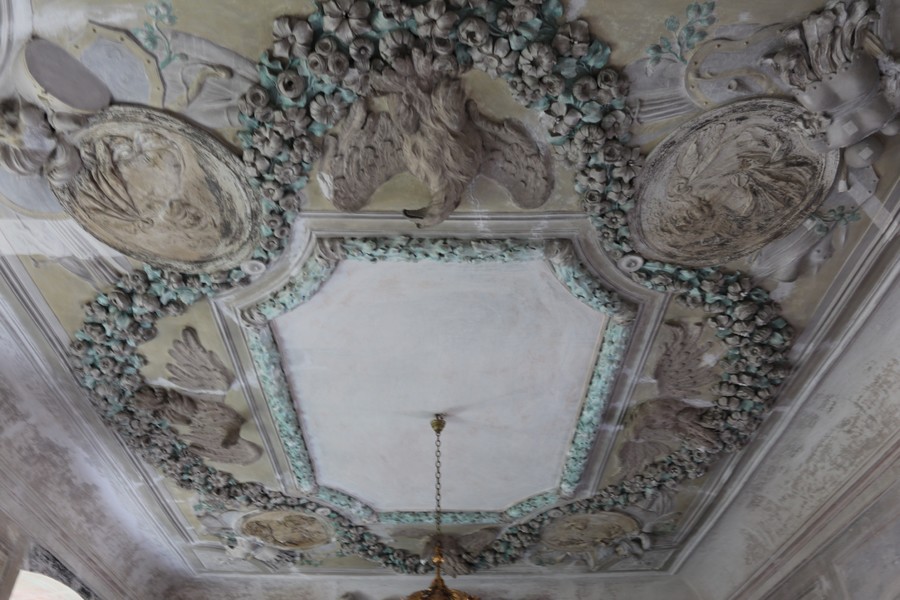
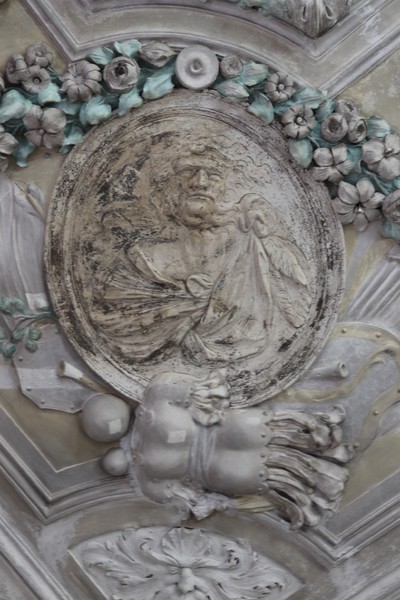
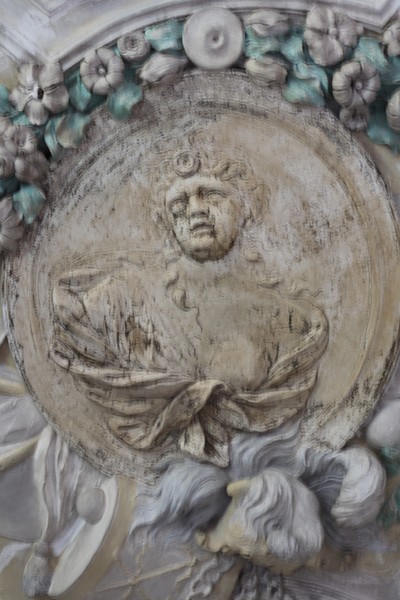
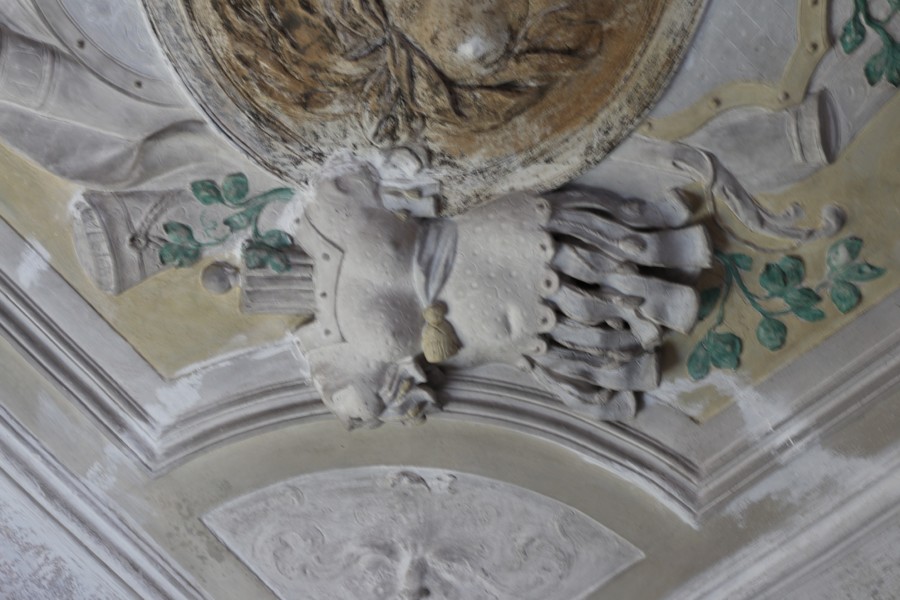
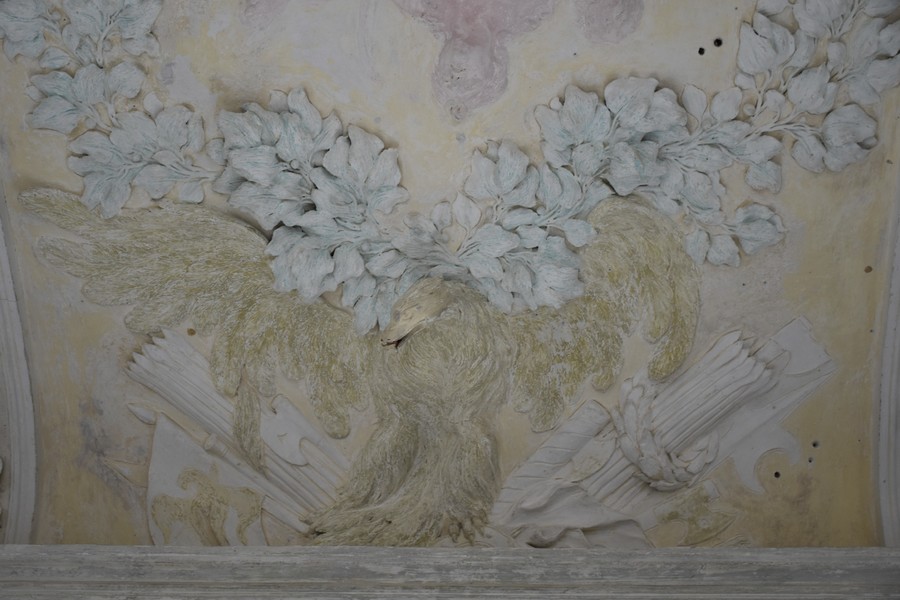
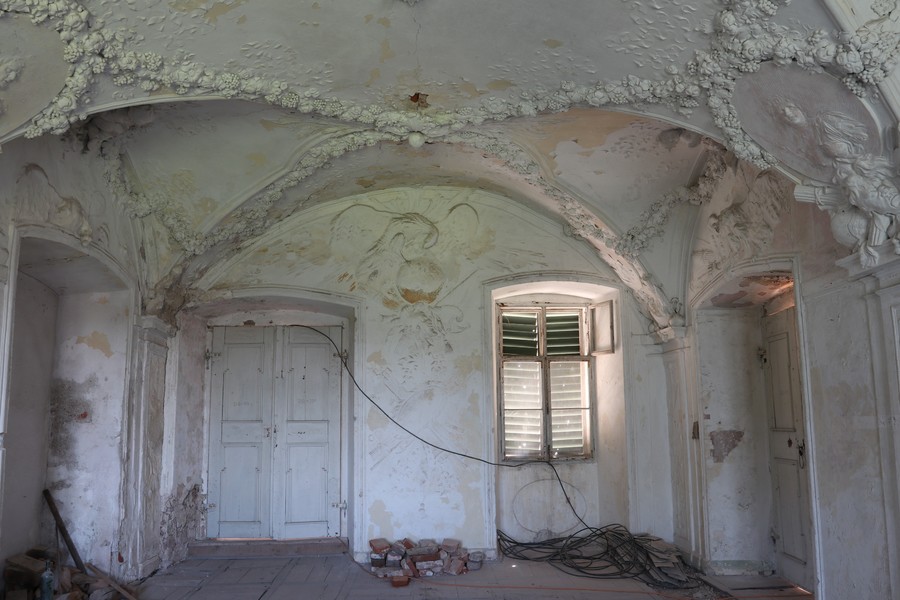
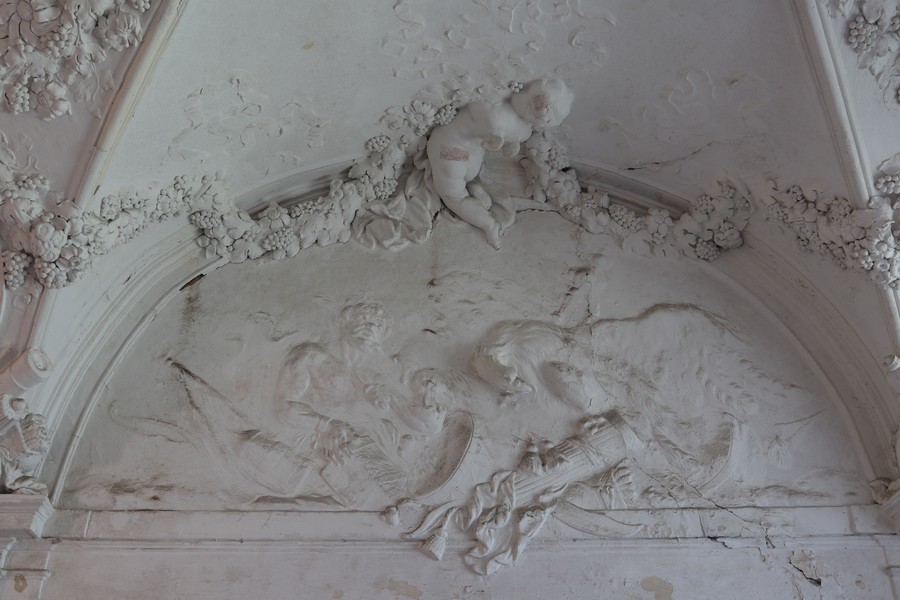
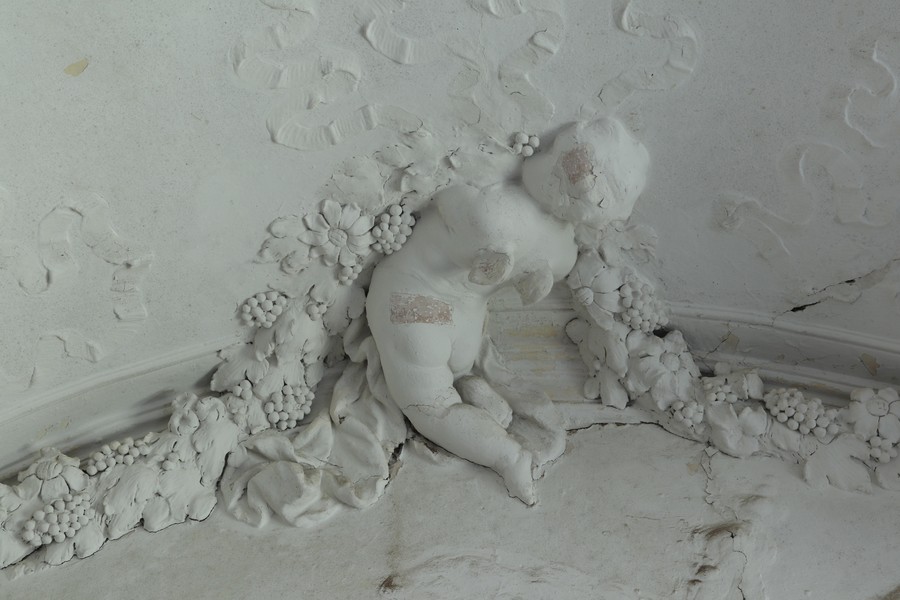
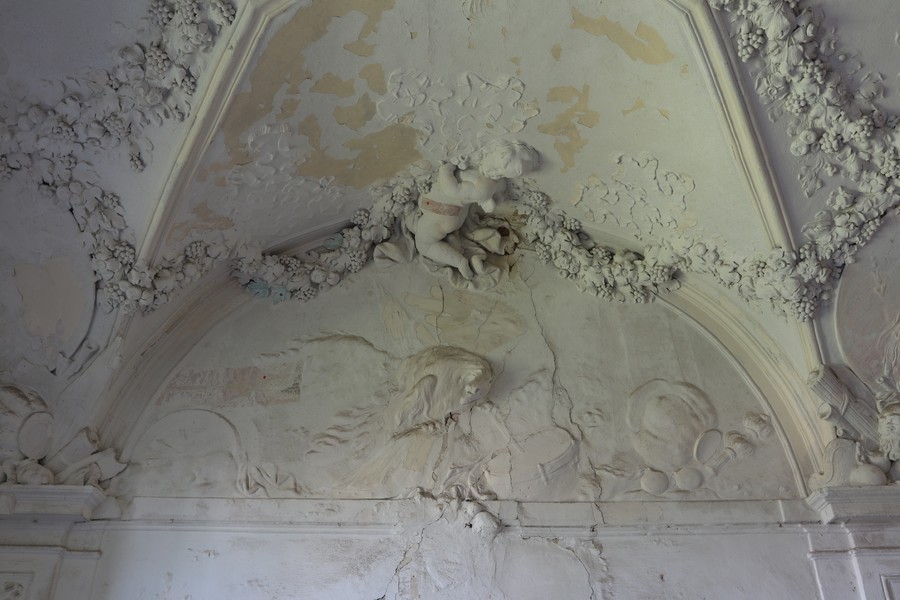
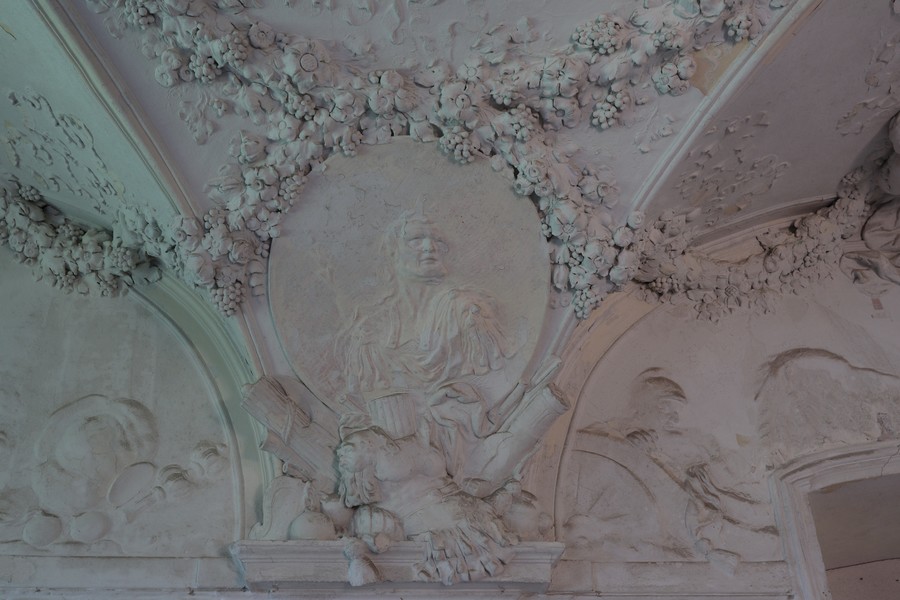
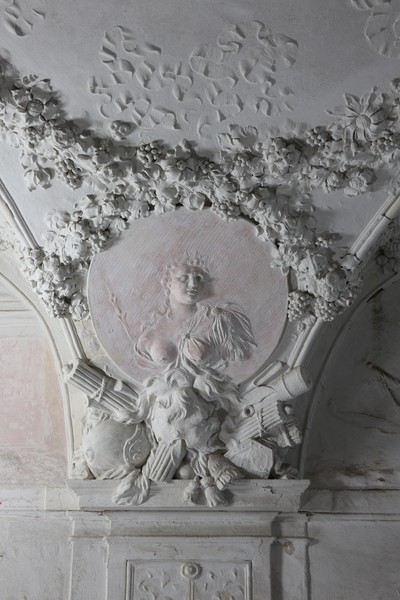
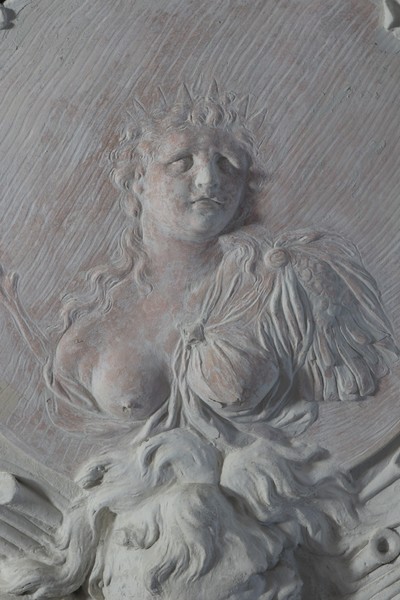
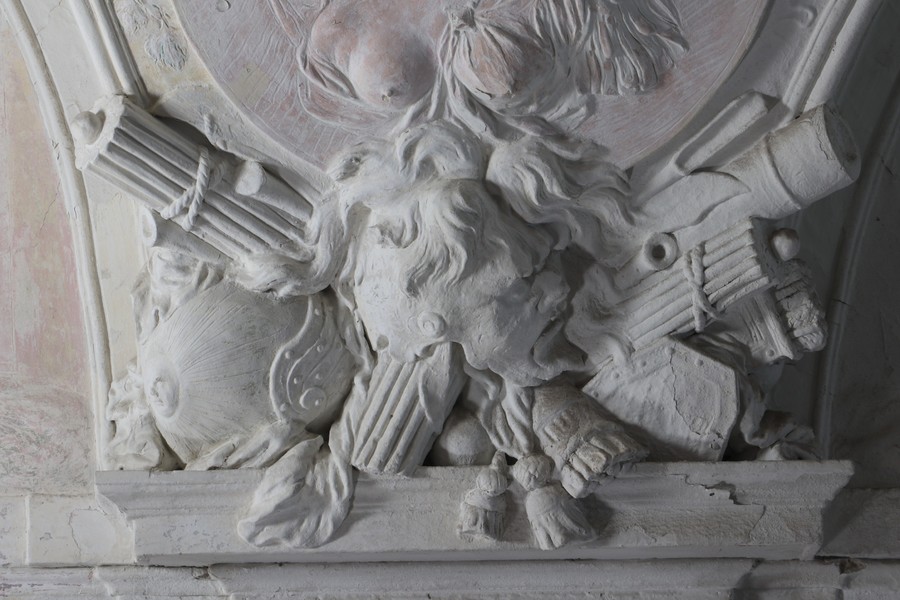
Heissler’s Study, or the Knights’ room (232), is decorated with stucco that adorns the lunettes, pilasters, and ceiling (Fig. 18, 19). The lunettes feature military themes, with eagles, soldiers, and objects such as drums and flags (Fig. 20, 21, 22). On the southern wall, an eagle is surrounded by military objects and a bearded man's head. The ceiling is decorated with putti holding a floral garland, which intertwines between the lunettes and is enriched with floral motifs and palm leaves. Two central medallions depict a man and a woman, while other truncated medallions in the room's corners suggest later modifications (Fig. 23, 24, 25, 26).

South Wing (206)


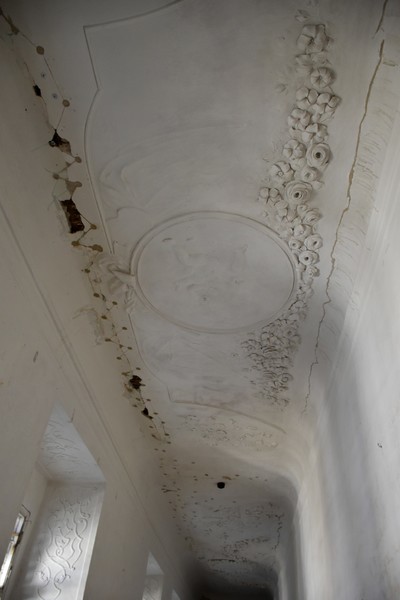
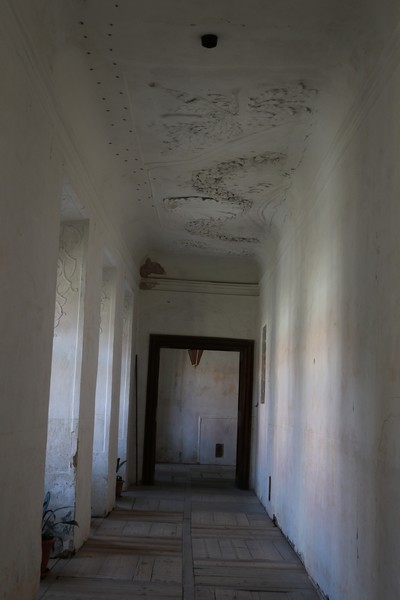
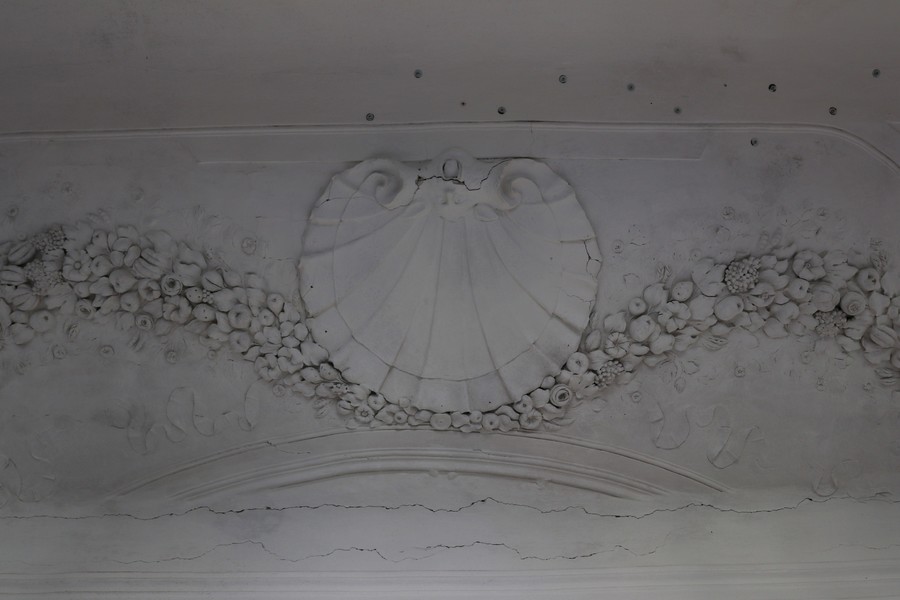
A fragment of decoration in the South Wing shows stucco that originally adorned only the ceiling but was modified over time (Fig. 27, 28). Part of the decoration has been preserved and is now used as a corridor. The ceiling, once divided into two rooms, features floral garlands and a medallion with a putto surrounded by military objects. In the second room, there is a decorative shell with a floral garland and two bouquets tied with ribbons.
Room I, Western Wing (256)


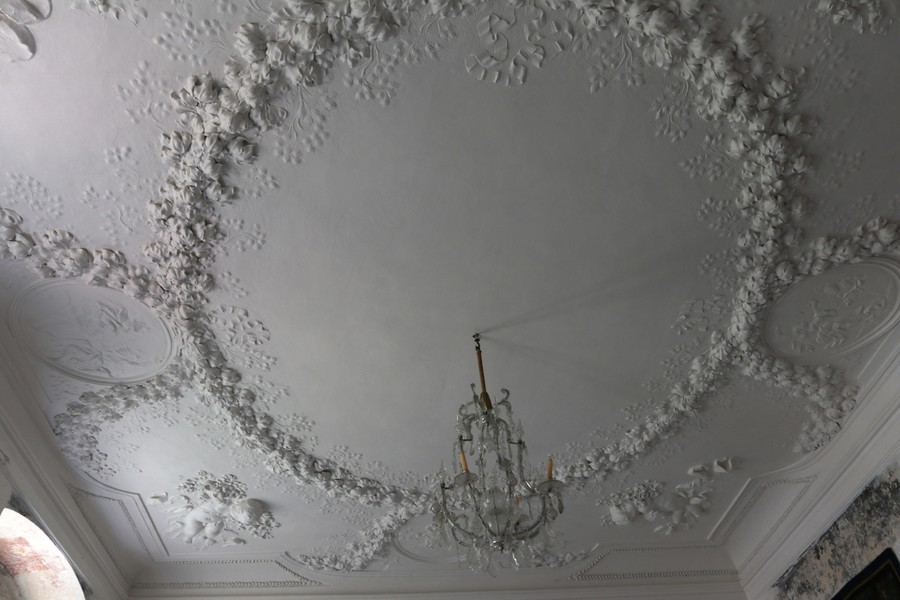
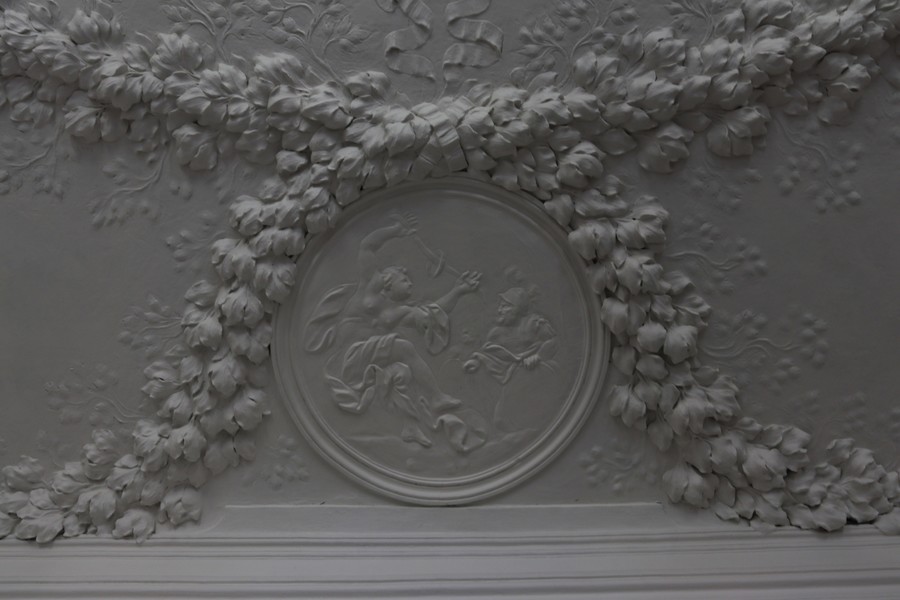
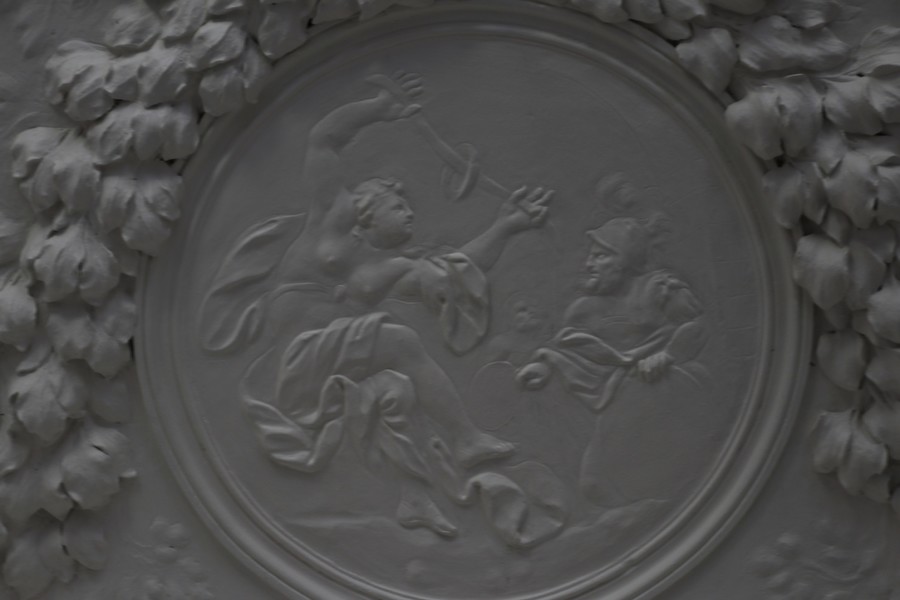
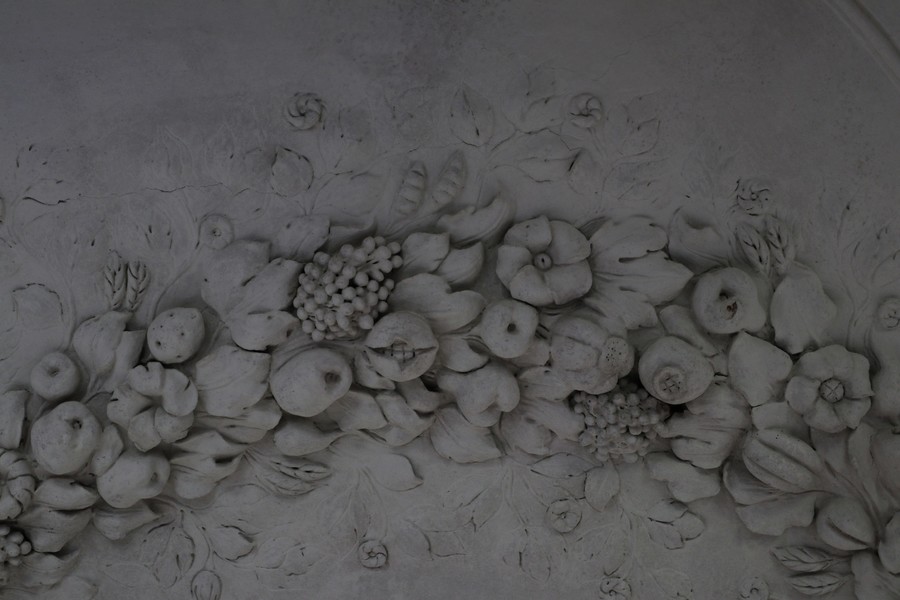
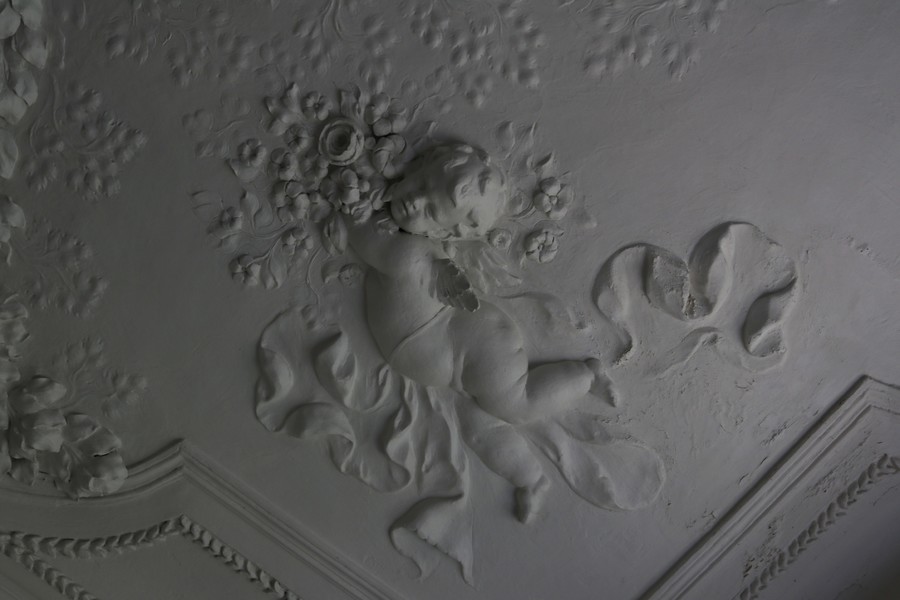
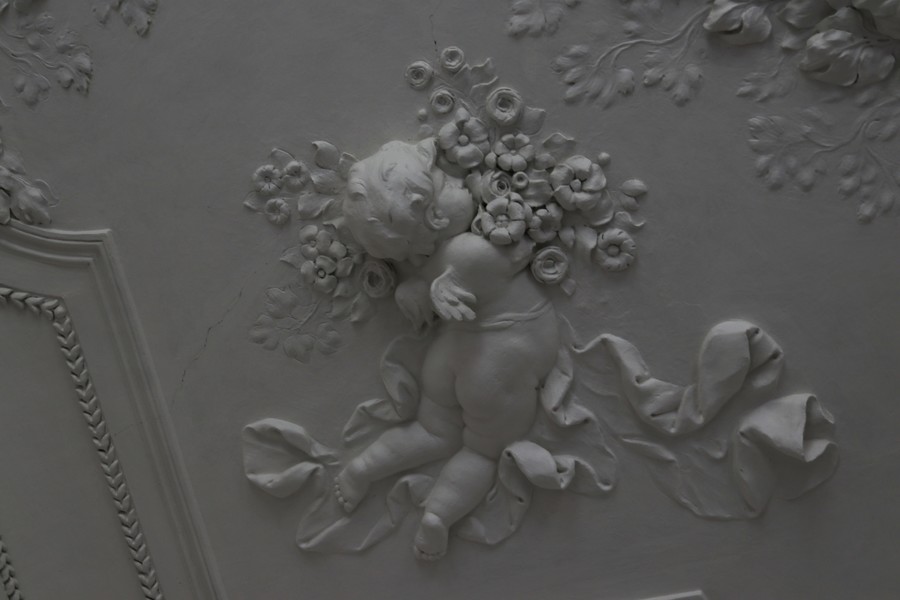
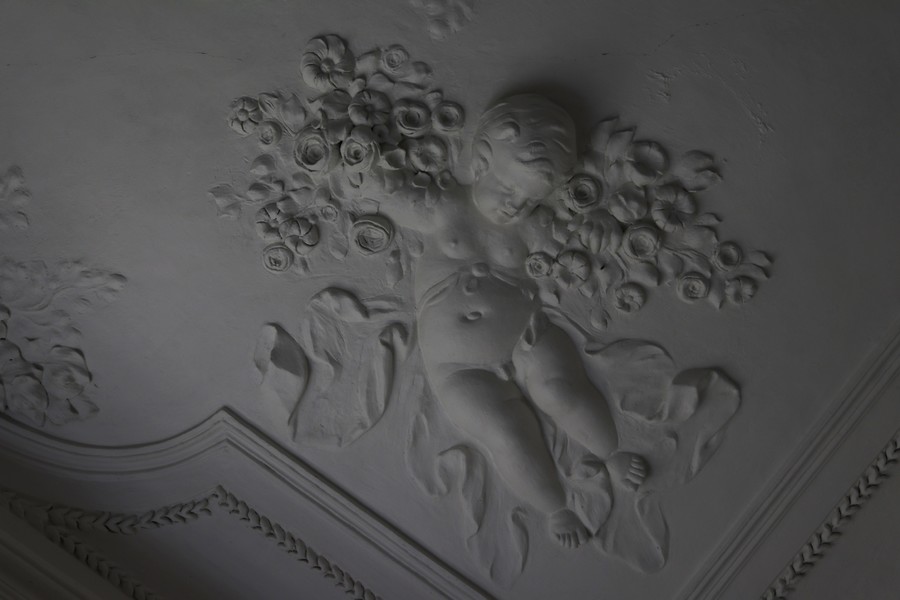
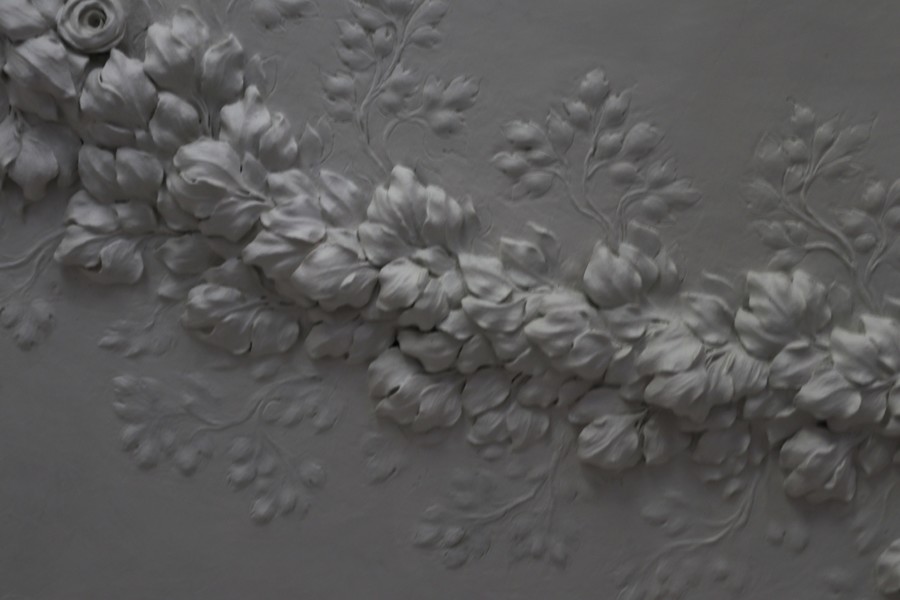
The first room in the western wing features stucco decoration only in the ceiling, with a central oval garland in high relief, enriched with small leaves and ribbons (Fig. 29, 30). The medallions, located on each wall, depict battle scenes in low relief and are surrounded by festoons (Fig. 31, 32, 33). In the ceiling’s corners, four putti in flight hold bouquets of flowers, accompanied by draped fabrics that create a dynamic effect (Fig. 34, 35, 36). The entire composition is enclosed in a quatrefoil-shaped field, with bands of laurel leaves decorating the empty spaces (Fig. 37).
Room II, Western Wing (255)


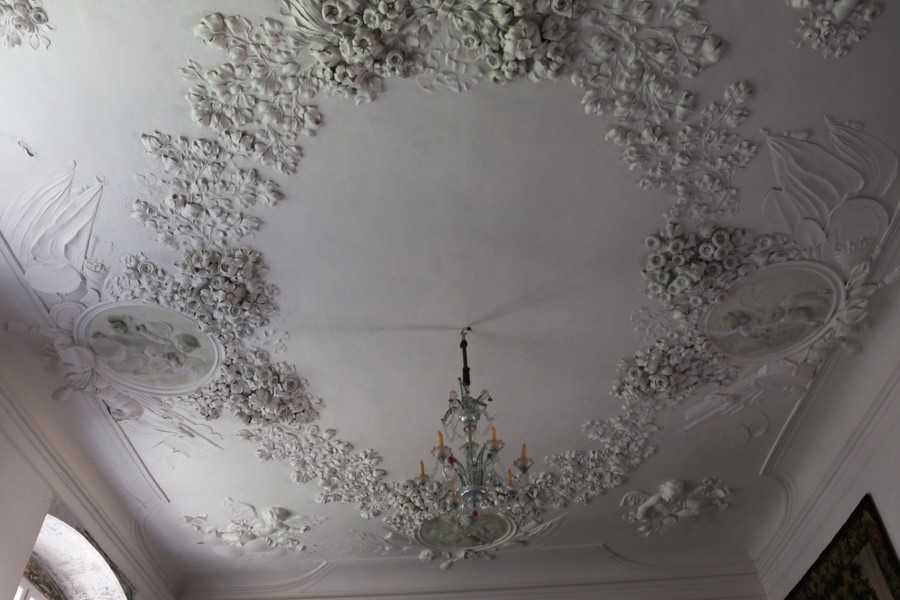
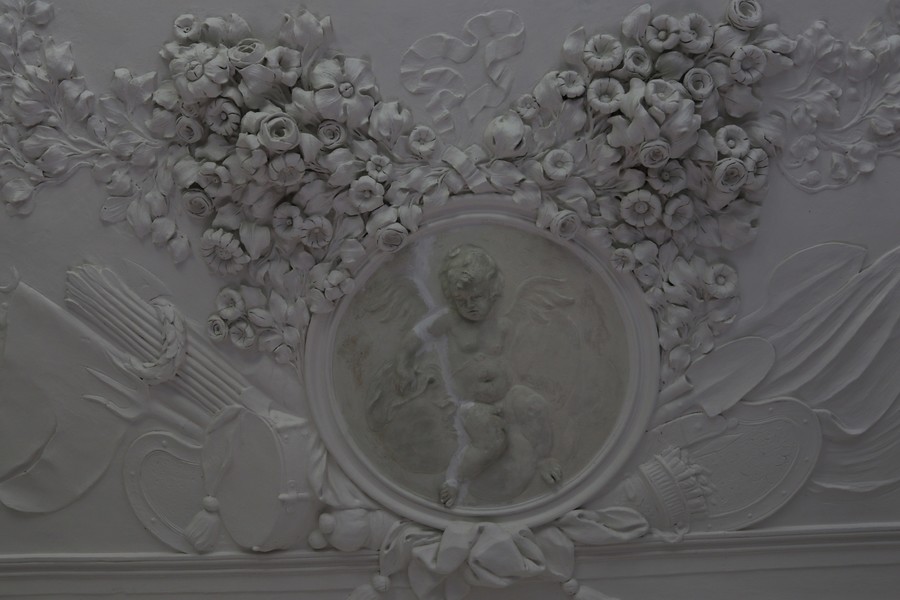
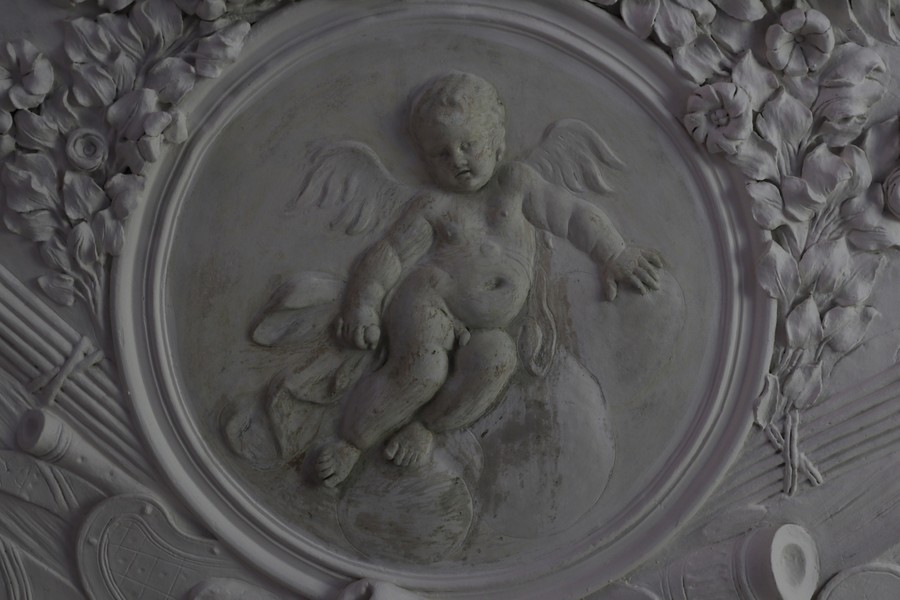
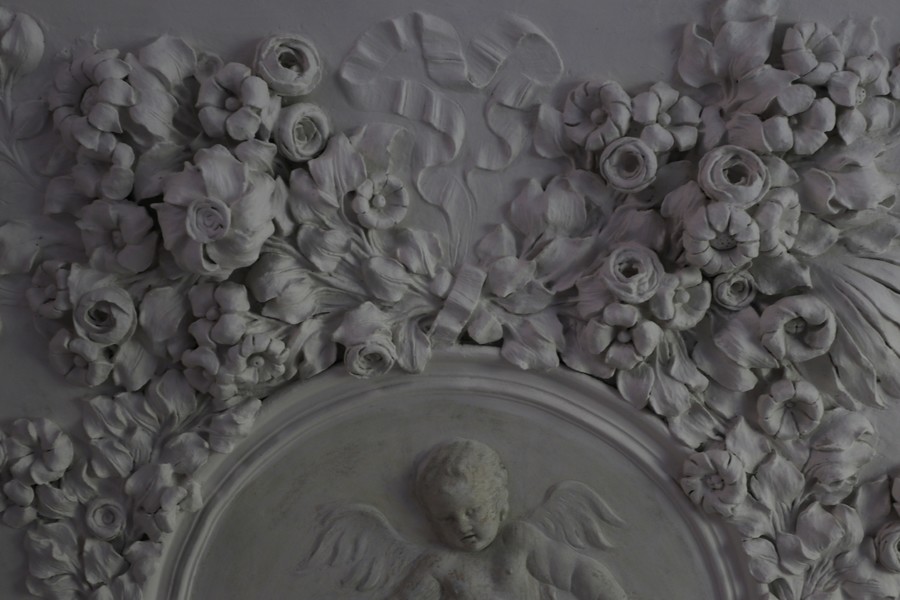
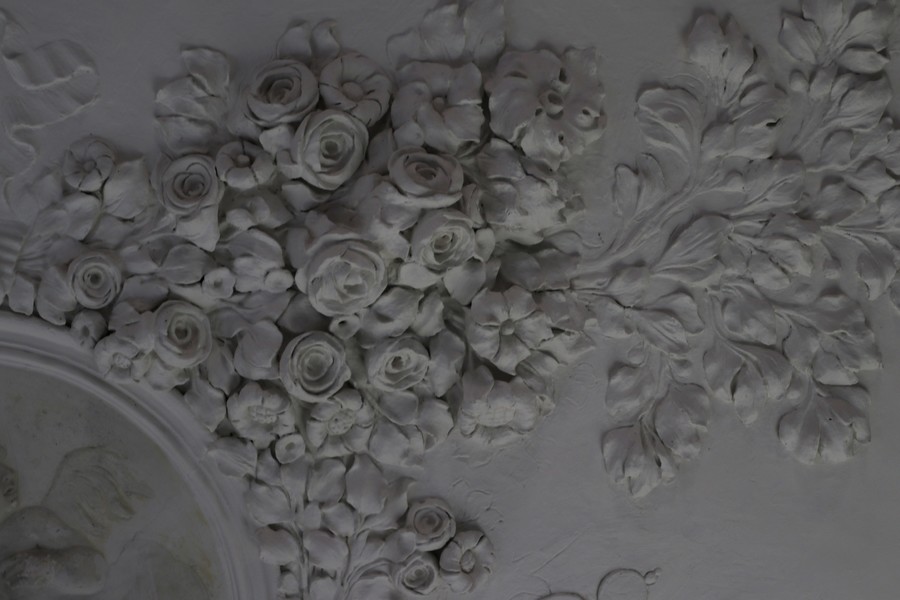
The second room in the western wing features stucco decoration similar to that of Room one (n.256), with an elongated garland extending across the ceiling, made of branches and leaves (Fig. 38). On each wall, pairs of flower bouquets in high relief are present, beneath which medallions with playful putti in various poses are depicted (Fig. 39, 40, 41, 42). The medallions are surrounded by military elements, such as drums and quivers, and draped fabrics with tassels. In the ceiling’s corners, small putti seated on clouds hold bouquets of flowers, similar to those in the previous room. The ceiling is finished with a rectangular frame, with bulbous corner shapes.
Room III, Western Wing (254)


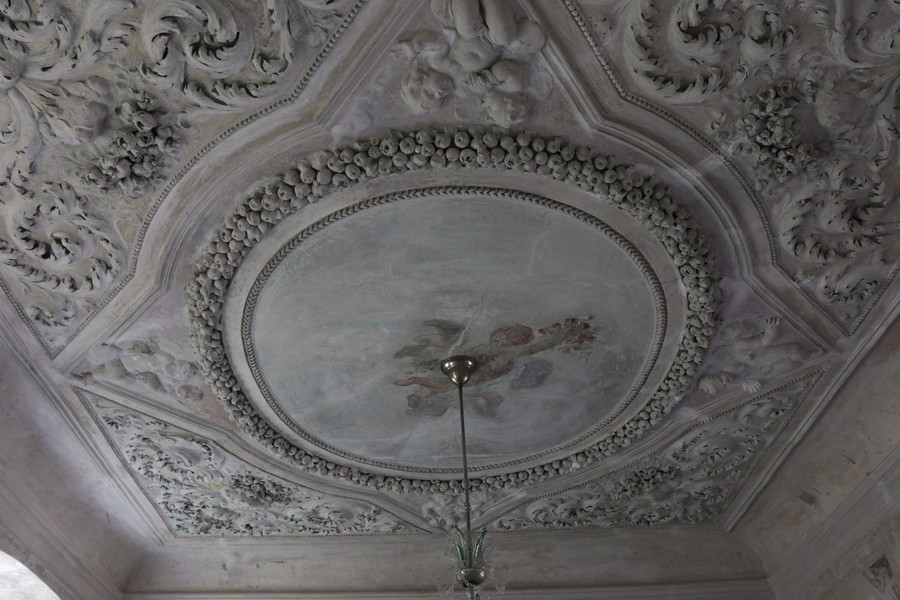
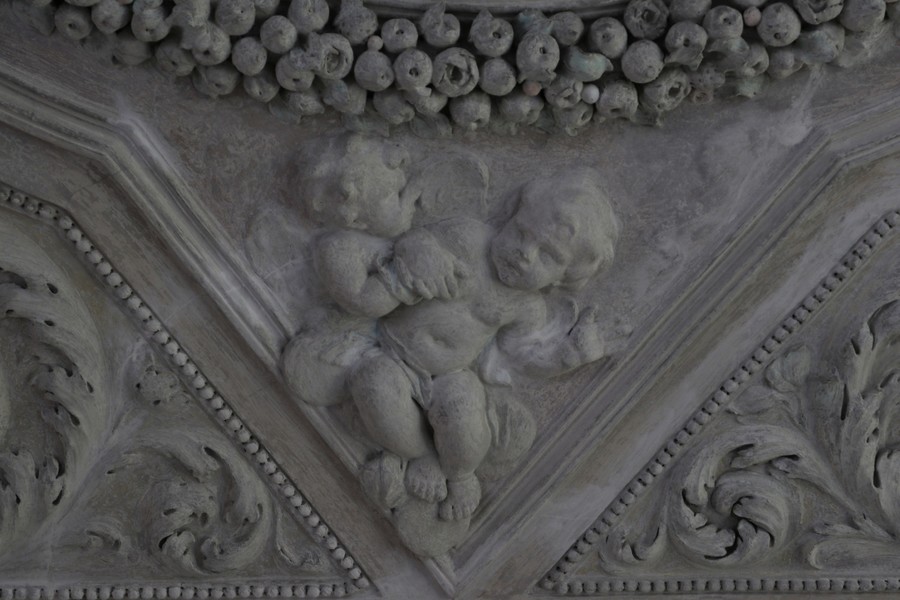
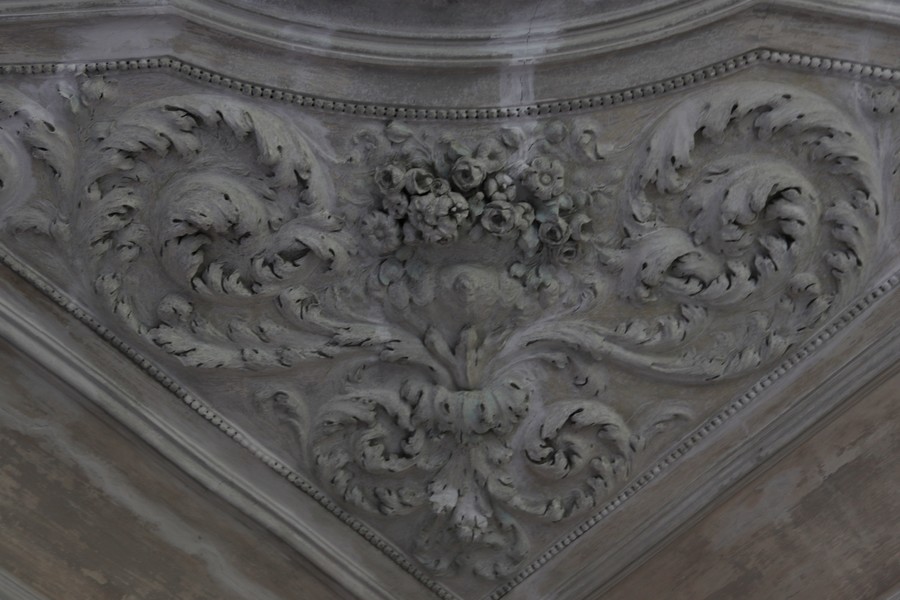
The third room in the western wing has a stucco-decorated ceiling, with a central motif including a circular frame designed for a mural (Fig. 43). Around the frame are a band of laurel leaves, a garland of fruit and flowers in relief (Fig. 44), and a frame that mixes circular and rhomboid shapes, with playful putti at the junctions (Fig. 45). In the ceiling’s corners, there are triangular fields with flower vases intertwined with acanthus leaves, bordered by laurel leaves (Fig. 46).

Bedroom with Alcove (251/253)


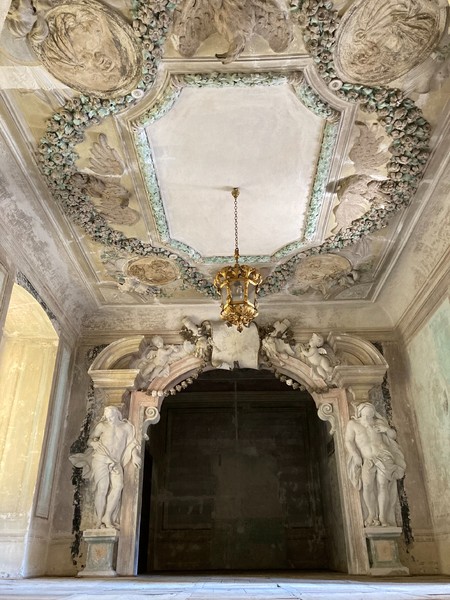
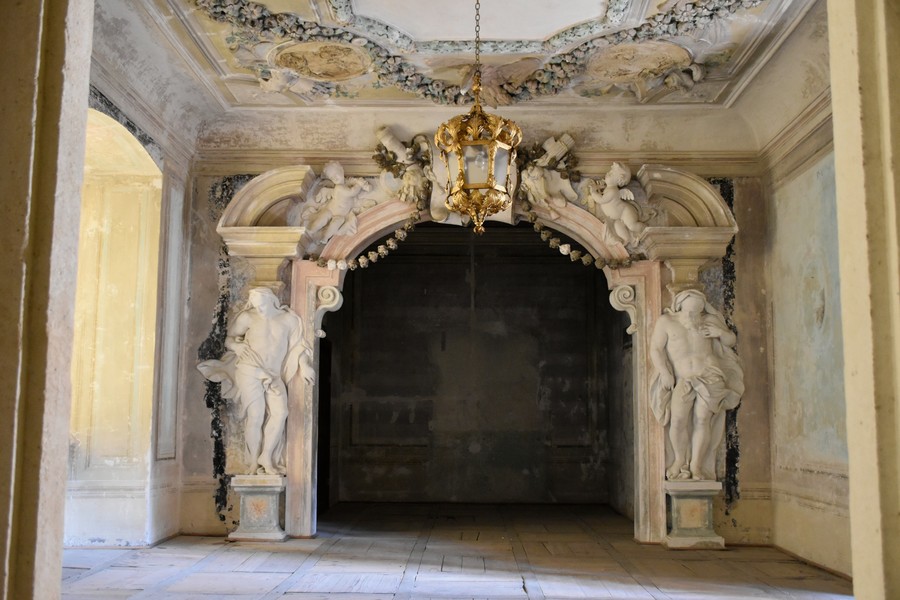
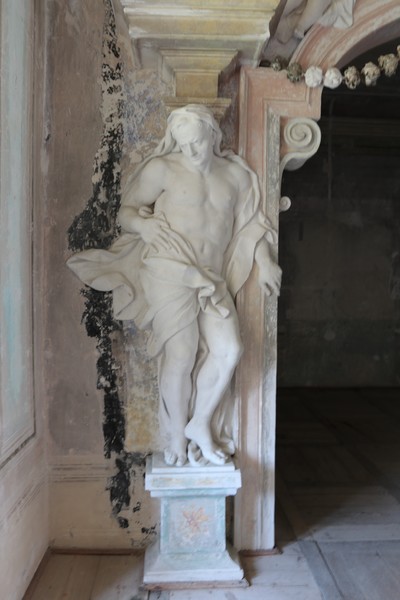
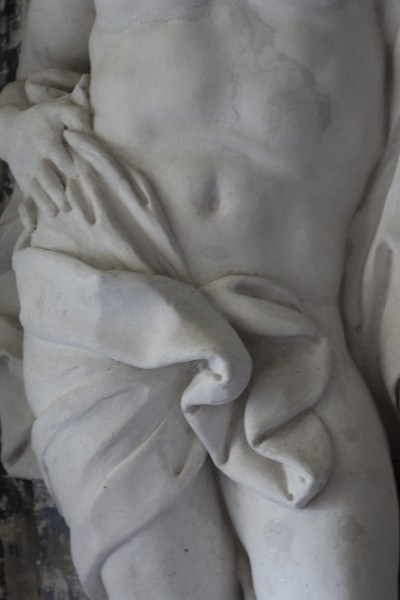
The bedroom in the western wing, with alcove, is decorated with polychrome stucco both on the ceiling and the portal leading to the alcove (Fig. 47). On the side of the portal there are two atlantes on pedestals, supporting the architrave, decorated with a cartouche featuring the sun, surrounded by military motifs and garlands of leaves (Fig. 48, 49, 50, 51, 52). The alcove ceiling features a circular garland, while the bedroom ceiling is adorned with a rectangular frame with a garland of acanthus and four eagles on the walls (Fig. 53). In the corners, oval medallions depict male and female busts, surrounded by military decorations, and small stucco masks decorate the corners (Fig. 54, 55, 56).